
Pronouns in English
What is a Pronoun?
Pronouns are one of the 9 parts of speech in English grammar. A pronoun is a word that takes the place of a noun. Pronouns are important in English. They are some of the first words we learn: I, you, he, she, it. There are different kinds of pronouns for different situations: subject pronouns, object pronouns, possessive pronouns, and reflexive pronouns. Instead of Sara, we can say she. Instead of those guys, we can say them. Instead of the sun, we can say it.
Why do we use pronouns?
One reason that we use pronouns is to avoid repetition. Think about this example:
Look at this beautiful table. The table is gorgeous. The table has a red top and the table's legs are steel. I really want to buy the table.
The table, the table, the table, the table—aaaaaaah. We try to avoid this kind of repetition in English. Instead of table, table, table, table, we usually say table once. After that first time, we use a pronoun, like it. This next example is more typical of how we speak in English:
Look at this beautiful table. It is gorgeous. It has a red top and its legs are steel. I really want to buy it.
Simpler and cleaner! That's why we use pronouns.
So a pronoun can take the place of a noun. But there are also some important differences between how we use nouns and pronouns. For instance, we don’t usually use a determiner before a pronoun: we say the table, but we never say the it. We say my friend, but we don’t say my him. We also don’t usually use adjectives before pronouns. We can say the red car, but it would be very strange to say the red it.
Now let's look at the five different kinds of personal pronouns:
English Personal Pronouns
In English, we use different pronouns to show grammatical person, gender, and singular/plural distinctions.
For example, if I am talking about myself, we call this the first person. If I are talking about myself alone, this is singular (only one person). Singular first person pronouns include I, me, mine, etc.
If I am talking about a group of people that includes me, this is the first person plural (more than one person). Plural first person pronouns include we, us, ours, etc.
English Pronoun Chart
Second person pronouns are used to talk about the person you are speaking to. These include you, yours, yourself, etc. You can be both singular and plural in English.
Third person pronouns are used to talk about people who are not either the speaker or the listener. They include the third person singular pronouns (like he, she, it) and third person singular pronouns (like they, them, etc.).
For inanimate objects—things that are not people—we use it, its, and itself.
They/Them Pronouns
When we use third person pronouns, we often distinguish between genders. For example, she, her, and hers are often used to talk about women, and he, him, and his are often used to talk about men. They, them, and their can be used as gender-neutral pronouns. We can use these either because we don't want or need to specify a gender, or because someone goes by non-gendered or nonbinary pronouns.
SUBJECT PRONOUNS
The first pronouns we teach are usually subject pronouns. The subject is often the noun right before the verb. Almost every sentence has a subject. Generally, the subject of the sentence is the person or thing that does the verb or makes the verb happen.
The tiger sleeps a lot.
In the example above, the verb is sleeps, and the subject is tiger. Who sleeps? The tiger does. The subject usually tells us who or what does the action. We have a special set of pronouns that we use to be the subject of a sentence. The table below lists the most common subject pronouns.
| Singular | Plural | |
|---|---|---|
| 1st person | I | we |
| 2nd person | you | you |
| 3rd person | she | they |
| he | ||
| it |
We don’t say Me like candy or Him has a cat. We say I like candy and He has a cat. Me and him are the wrong type of pronouns. We use subject pronouns. Here are some more examples:
I like movies.
Do you like movies?
Invite Clara. She likes movies.
He likes movies, too!
We like watching movies on weekends.
Before a verb, to express who or what does the action in a sentence, use a subject pronoun.
OBJECT PRONOUNS
Almost all verbs have a subject, and some also have an object. The object of a verb is the thing that receives an action. For example, you wouldn't just say, I want, right? You need to want something. We say I want coffee or I want a cheeseburger. Coffee and cheeseburger are objects. They receive the verb, want.
I want a hamburger.
I want a job.
I want a girlfriend.
Hamburger, job, and girlfriend are objects. Notice that objects generally come after the verb in the sentence. We use object pronouns to represent objects in sentences. This table lists the most common object pronouns:
| Singular | Plural | |
|---|---|---|
| 1st person | me | us |
| 2nd person | you | you |
| 3rd person | her | they |
| him | ||
| it |
Here are some examples of sentences using object pronouns:
That hamburger looks delicious. I want it.
Who is that girl? I think I know her.
You can have these books if you want them.
Can I help you?
My teacher hates me!
In all the examples above, the pronouns are the objects of a verb. We use the same set of object pronouns as the objects of prepositions, as you can see in these examples:
My grandmother gave that to me.
I've been getting weird texts from her.
We've heard so much about you!
After a verb or a preposition, you generally want to use an object pronoun.
POSSESSIVE PRONOUNS
To possess something is to own or have that thing. If I have a car, we can say that car is my possession. We can say, That car is mine. Mine is a pronoun in this sentence. It represents the car, the thing that I possess. Mine is a possessive pronoun. Here is a chart with the most common possessive pronouns:
| Singular | Plural | |
|---|---|---|
| 1st person | mine | ours |
| 2nd person | yours | yours |
| 3rd person | hers | theirs |
| his | ||
| its |
Here are some example sentences with possessive pronouns:
That car is hers.
This is my drink. That one is yours.
All the coats are in a big messy pile. I can't find mine!
As you can see, possessive pronouns can be used to talk about things that belong to specific people.
POSSESSIVE DETERMINERS
Possessive determiners (also called possessive adjectives) are not actually pronouns, but it's a good idea to learn them at the same time, because they are very similar to possessive pronouns. The difference is that possessive determiners can not replace nouns; they come before nouns to tell us whose they are. If someone asks, Whose iPad is this? you could answer with a possessive pronoun: It's mine. But you could also use a possessive determiner:
That's my iPad.
With a possessive determiner, it is important to include a noun after. Just saying That is my. would by wrong. Here is a list of the most common possessive determiners.
| Singular | Plural | |
|---|---|---|
| 1st person | my | our |
| 2nd person | your | your |
| 3rd person | her | their |
| his | ||
| its |
And here are some examples of possessive determiners in sentences:
Sorry, I have to take this call. It's my son.
Cheryl is at her English class.
We lost our baseball game.
Please take off your shoes.
Can you believe they lost their homework again?
REFLEXIVE PRONOUNS
So we have talked about subjects and objects, right? Subjects are the people or things that do the action in the verb, and objects are the people or things that receive the action. Sometimes, those are the same person, right? For example, if I cut my finger, I hurt someone. The someone I hurt is me (ouch!). But in English we don't say I hurt me. We have special pronouns for the object in this situation, and they are called reflexive pronouns.
Here is a table of the most common reflexive pronouns in English:
| Singular | Plural | |
|---|---|---|
| 1st person | myself | ourselves |
| 2nd person | yourself | yourselves |
| 3rd person | herself | themselves |
| himself | ||
| itself |
And here are some examples of reflexive pronouns used in sentences:
Clara taught herself English.
Don't play with that knife. You will hurt yourself.
The kids are entertaining themselves in the yeard.
Oh, nothing. I'm just talking to myself.
After a couple of days, the problem fixed itself.
Complete English Pronoun Chart
Here is a complete table of all the pronouns discussed in this post. There are still some other types of pronouns, however. Demonstrative pronouns and relative pronouns, for example, are usually studied separately.
| Subject | Object | Possessive Pronoun |
Possessive Determiner |
Reflexive | |||
|---|---|---|---|---|---|---|---|
| Singular | 1st Person | I | me | mine | my | myself | |
| 2nd person | you | you | yours | your | yourself | ||
| 3rd person | Feminine | she | her | hers | her | herself | |
| Masculine | he | him | his | his | himself | ||
| Neutral | they | them | theirs | their | themself | ||
| Inanimate | it | it | its | its | itself | ||
| Plural | 1st Person | we | us | ours | our | ourselves | |
| 2nd Person | you | you | yours | your | yourselves | ||
| 3rd Person | they | them | theirs | their | themselves | ||
| Impersonal | one | one | one's | one's | oneself | ||
Pronombres en Inglés
Pronomes pessoais em inglês
الضمائر في الانجليزية
Past Perfect Continuous Tense
The present perfect continuous is an important verb form for talking about recent events and their durations. Read about the rules for using the present perfect continuous tense, how we form it, and tons of example sentences!
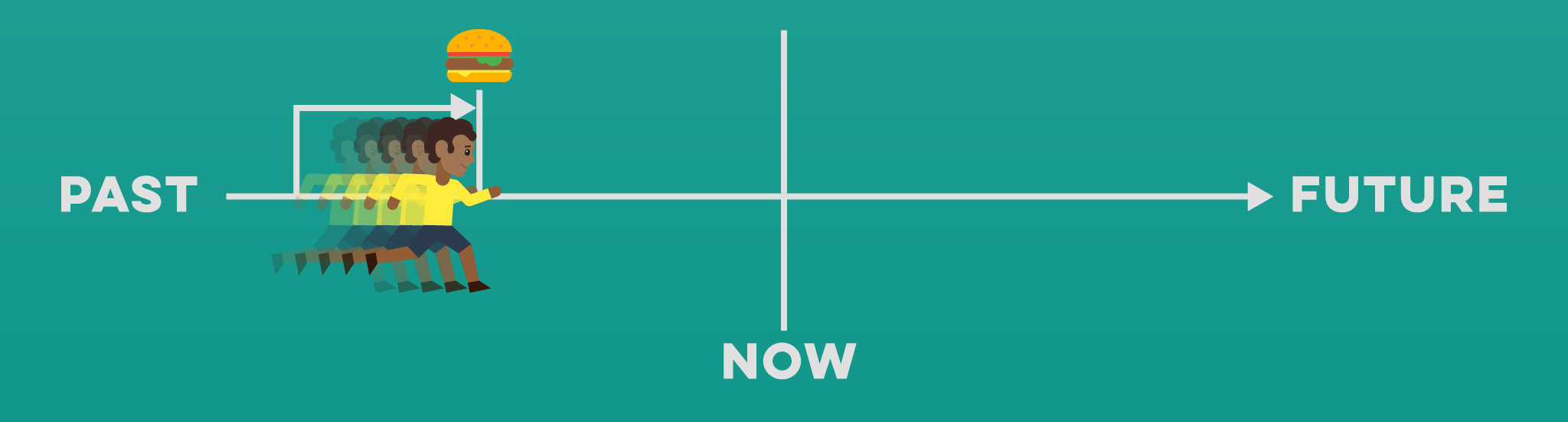
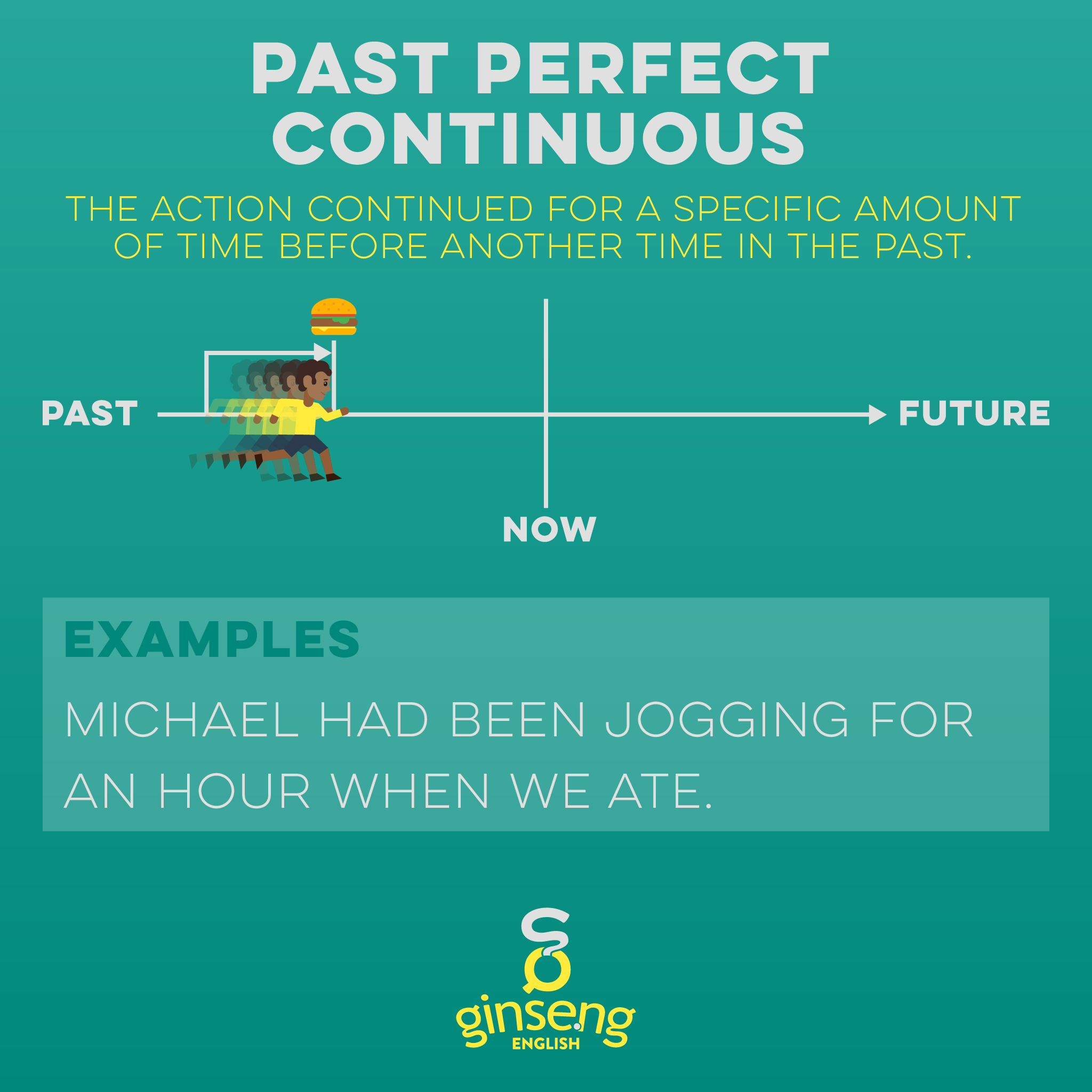
The past perfect progressive shows that an action started in the past and continued up to another time or action, also in the past. It does not specify if the action continues after that point. This is a very uncommon verb form: less than .1% of verbs in spoken English are in this form.
Continue reading to learn how to form the past perfect continuous and when to use it, including loads of examples and charts!
Just to be clear, continuous and progressive are just different names for this same thing. In some countries, one word is more common, but continuous is more common around the world, so we use that!
Chart for Past Perfect Continuous Tense in English
Using the Past Perfect Continuous Tense in English
The past perfect continuous is really difficult. Lots of websites will claim to explain this tense in just a quick article, and this just isn’t possible (sorry!). We use this verb form in a few different situations, and it can have different meanings depending on the situation. Here are some examples:
We were wet because it had been raining for hours.
I knew the city well at that point because I had been living there for a few years..
When I met your mom I was in pretty good shape because I had been working construction
Note that these correspond pretty closely with the different ways that we use the present perfect continuous form:
Recently Completed Actions
Actions Still Happening (with for/since)
New Routines and Habits
The past perfect continuous is basically the same, except shifted into the past time frame.
It is worth mentioning that, in many situations the past perfect and past perfect continuous are interchangeable.
Here are a few more examples:
That had been a difficult month. She had been working long hours.
I’d been going to the gym a lot back then.
We’d been cooking at home more at that point.
Forming the Past Perfect continuous
Formula
Forming the past perfect continuous isn’t difficult. You will always use the same formula:
had + been + VERBing
You could also think of it as simple steps, too:
First, use had (this is the past part)
Then use been (this is the perfect part)
Then use your main verb with -ing (this is the continuous part)
Conjugation
Here is the verb work conjugated into the past perfect continuous.
| Singular | Plural | |||
|---|---|---|---|---|
| 1st person | I | had been working. | we | had been working. |
| 2nd person | you | had been working. | you | had been working. |
| 3rd person | he | had been working. | they | had been working. |
| she | had been working. | |||
| it | had been working. | |||
Notice that we can see both the perfect and the continuous aspect in this form. Had been is the perfect aspect. Been verb-ing is continuous aspect.
Other Forms of the past Perfect continuous
Negative Sentences
You always have two helping verbs in the past perfect continuous: had and been. To make a negative, simply make it had not been.
I had not been practicing for very long.
I had not been living in Boston for years, and I missed it.
I had not been studying, so I was doing poorly in school.
Because the past perfect continuous uses so many words, we often use contractions with not to make it a little shorter:
I hadn't been practicing for very long.
I hadn't been living in Boston for years, and I missed it.
I hadn't been studying, so I was doing poorly in school.
Questions
To make a question, put had before the subject:
Why did they break up? Had he been cheating?
How long had the car been running for when it finally died?
Why had you been studying Chinese if you were planning to move to France?
Passive Voice
Making passive sentences with rarer and more complicated verb forms like the past perfect continuous is extremely uncommon and almost always a bad idea. We really recommend that you rephrase a sentence to avoid creating such an awkward sentence.
They had been being observed a lot at work.
Hopefully you can see how awkward this sentence is. If you really need to make a passive sentence in this form, you should use the get passive to avoid the awkward combination of been and being.
Put get in the past perfect continuous (had been getting) and then the perfect form of the main verb.
We had been getting observed a lot at work lately.
I'd been getting kicked off the internet every 5 minutes.
check out these other free grammar resources:

Present Perfect Continuous Tense
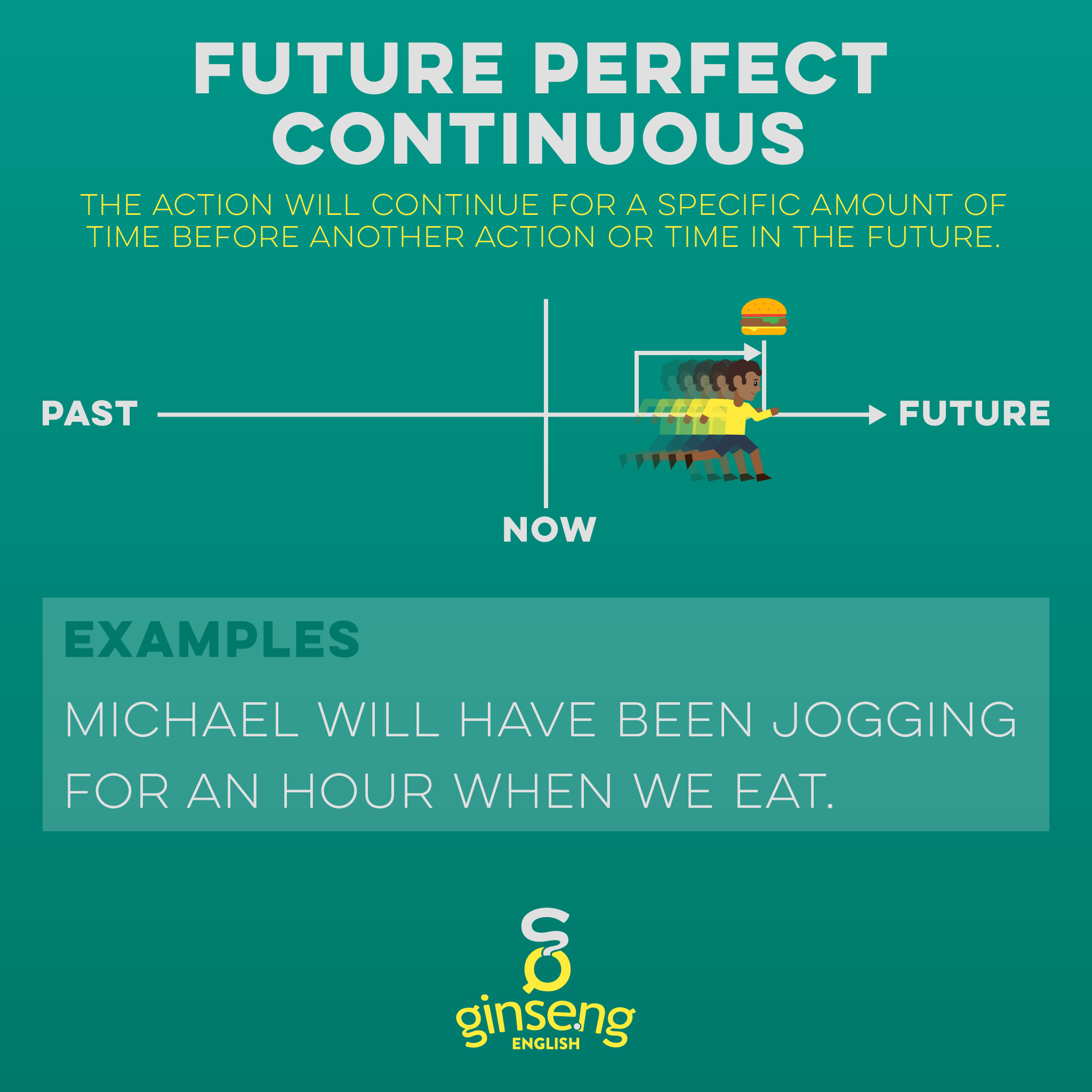
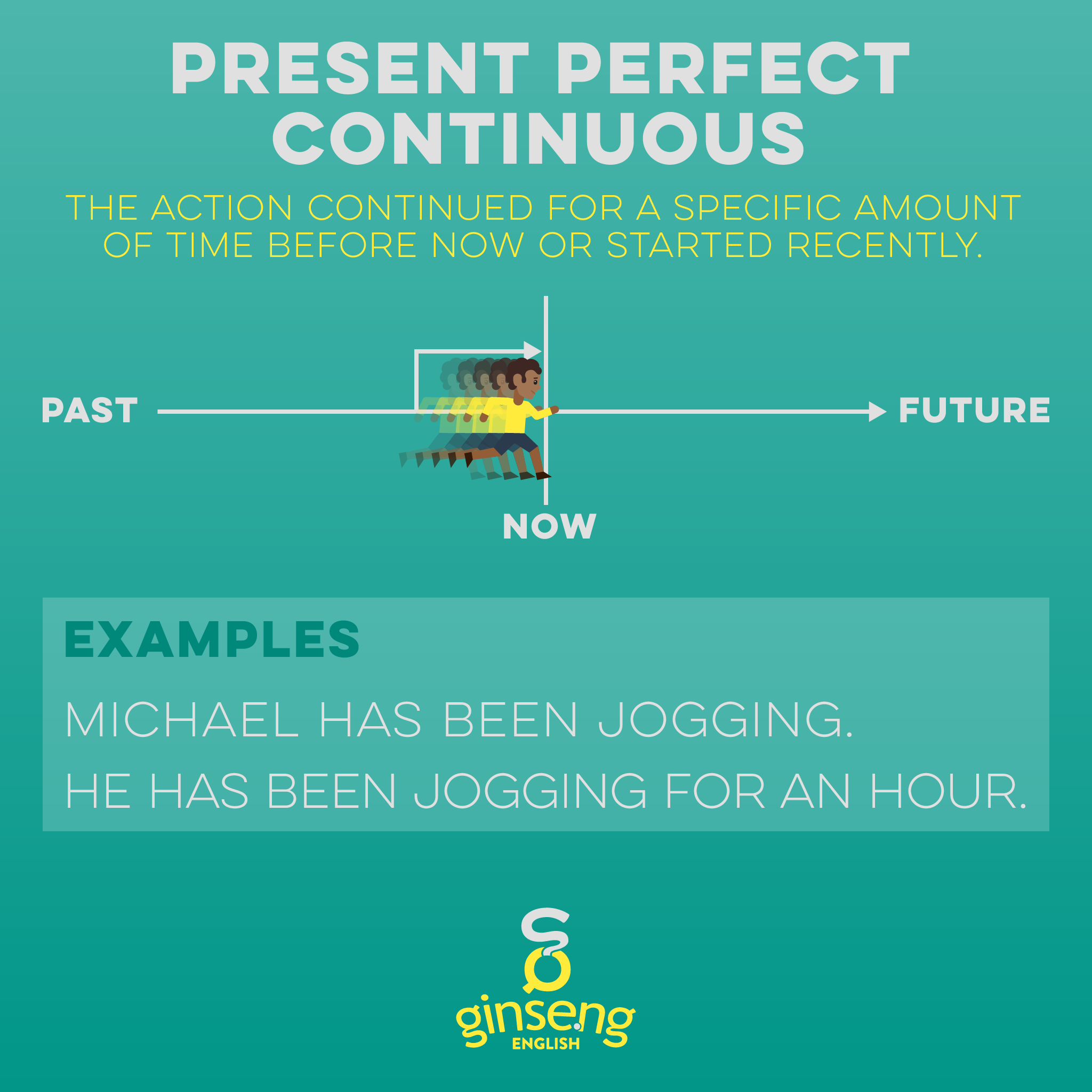
The present perfect continuous is an important verb form for talking about recent events and their durations. Read about the rules for using the present perfect continuous tense, how we form it, and tons of example sentences!
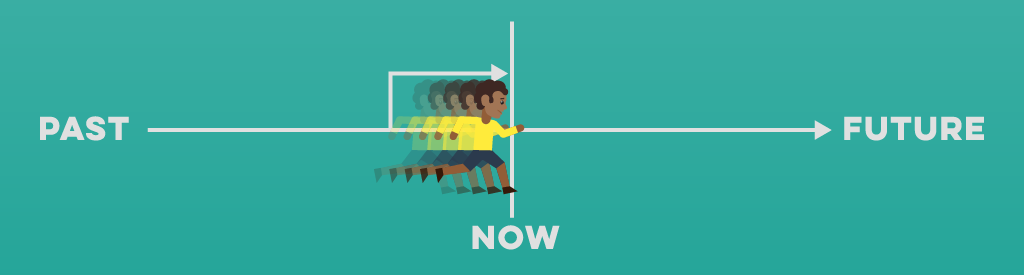
The present perfect continuous (also called the present perfect progressive) is a verb form that we use to describe an action that started in the past and either recently finished or is still continuing. Although only about .7% of verbs in speech are in the past perfect, this verb tense can be very useful in certain situations.
Continue reading to learn how to form the present perfect continuous and when to use it, including tons of examples and charts!
Just to avoid confusion, continuous and progressive are just different names for this same thing. In some countries, one term is more common than the other, but continuous is more common overall, so we use that term.
Chart for Present Perfect Continuous in English
Using the Present Perfect Continuous Tense in English
The present perfect continuous is a little bit tricky. If you find a website that claims to explain it in just a few sentences, you should be suspicious. We use this tense in a number of different situations, and it can have different meanings in those different situations. We can look at three common ways that the present perfect progressive is used:
to describe new routines,
to describe recently completed actions, and
for actions that are still continuing.
New Routines and Habits
In general, we use the simple present to talk about routines and habits: If I go jogging every day or a couple of times a week, I can simply say, I jog, right?
But what if this is a new habit? Maybe I have gone jogging every day for the past two weeks, so it is a routine, but it might feel funny to just say I jog. I am a jogger. In situations like this, where we want to demonstrate that a habit or routine is somewhat new, the present perfect continuous is the form that we want to use.
I have been jogging.
Here are a few more examples:
This has been a difficult month. She has been working long hours.
I’ve been going to the gym lately.
We’ve been cooking at home more recently
Recently Completed Actions
We also use the present perfect continuous to talk about actions that have just recently ended, especially when there is still evidence of that action. For example, after you paint, you may still have paint on your hands. To explain this, you would use the present perfect progressive:
Sorry, my hands are dirty. I've just been painting.
Take a look at these other examples:
The house is a mess because we've just been redecorating.
Sorry, I'm all sweaty. I've been exercising.
Why are you two crying? Have you been fighting?
Notice that in each of these examples, there is sensory evidence (the mess, sweating, crying) of the recently completed actions (painting, exercising, fighting). This is almost always the case when using the present perfect continuous in this way.
Actions Still Happening with For and Since
This is probably the most common way that this verb form is used. This is very important: When we see the present perfect continuous with for or since, the action started at a specific time in the past and is still happening. Here are some examples:
Michele has been living in Boston since June.
Juana's been writing her thesis for 6 months.
In the first example, Michele still lives in Boston. In the second example, Juana still works at Apple. Again, when you see for or since with this verb tense, the action or situation described by the main verb is still continuing. See Signal Words, below, for more information about how we use for and since.
Here are more examples with for and since:
Cara's been working at FedEx for 3 years now.
I've been thinking about changing jobs for a long time.
We've been developing a new strategic plan since late last year.
You have been traveling back and forth to California since you got married, right?
Forming the Present Perfect continuous
Formula
Forming the present perfect continuous isn’t difficult. You will always use the same formula:
have/has + been + VERBing
You could also think of it as simple steps, too:
First, choose either have (if the subject is plural or the pronouns I, you, we, or they) or has (if the subject is a singular noun, he, she, or it).
Then use been.
Then use your main verb with -ing.
Conjugation
Here is the verb work conjugated into the present perfect continuous.
| Singular | Plural | |||
|---|---|---|---|---|
| 1st person | I | have been working. | we | have been working. |
| 2nd person | you | have been working. | you | have been working. |
| 3rd person | he | has been working. | they | have been working. |
| she | has been working. | |||
| it | has been working. | |||
Notice that we can see both the perfect and the continuous aspect in this form. Have been is the perfect aspect. Been verb-ing is continuous aspect.
Other Forms of the Present Perfect continuous
Negative Sentences
You always have two helping verbs in the present perfect continuous: have/has and been. To make a negative, simply put not in between them!
She has not been living here for a long time.
I have not been reading much recently.
They have not been working late.
Because the present perfect continuous uses so many words, we often use contractions with not to make it a little shorter:
She hasn't been living here for a long time.
I haven't been reading much recently.
Questions
To make a question, simply put has/have before the subject.
Has she been living here for a long time?
Have you been working out lately? You look great!
What have you been reading?
When have you been going to bed lately?
Passive Voice
Making passive sentences with more complex verb forms like the present perfect continuous is extremely uncommon and almost always awkward in English. We really recommend that you rephrase a sentence to avoid creating such an awkward sentence.
We have been being observed a lot at work.
See the awkwardness in the sentence above? If you really need to make a passive sentence in this verb form, we often use the get passive to avoid the unnatural combination of been being.
Put get in the present perfect progressive (has been getting, have been getting) and then the perfect form of the main verb.
We have been getting observed a lot at work lately.
I've been getting kicked off the internet every 5 minutes.
Signal Words
Recently or Lately
When we are talking about new routines and habits, it’s common to use the word recently or lately, which both have the same meaning in this sense. There is some flexibility in where we can put these words in a sentence, but the beginning or end of the clause is a safe bet.
Take a look at these examples:
Lately, I've been thinking a lot about Aunt Maude.
We've been having second thoughts about moving recently.
Just
We can use the adverb just to emphasize that an action was completed in the immediate past, right before now. Because the present perfect continuous can talk about actions that stopped right before now, it is common to use just with it. Have a look at these examples:
Don't mind these ridiculous old clothes. I've just been gardening.
Hey Paul! I can't believe you're here. We've just been talking about you!
For
We already said, the most important signal words with the present perfect progressive are for and since. They are important because they change the meaning. Whenever you see for and since with this verb form, you know the action is still true.
When we use for, we specify the duration of the action. This could be the number of minutes or weeks or years. It could also be a more general phrase like a really long time or a little while.
People have been living on this land for thousands of years.
It's been raining for hours
I've been studying English for half my life!
Since
While for is used with a duration, since is used to specify the point in time when the action began. That could be a time or date. It can also be another event described with a clause, like since I was a child.
People have been living on this land since about 800 B.C.E.
It's been raining since noon.
I've been studying English since I was a child.
check out these other free grammar resources:
Past Perfect Tense
The past perfect is an important verb form for describing events in the past. Read about the rules for using the past perfect tense, how we form it, and tons of example sentences!
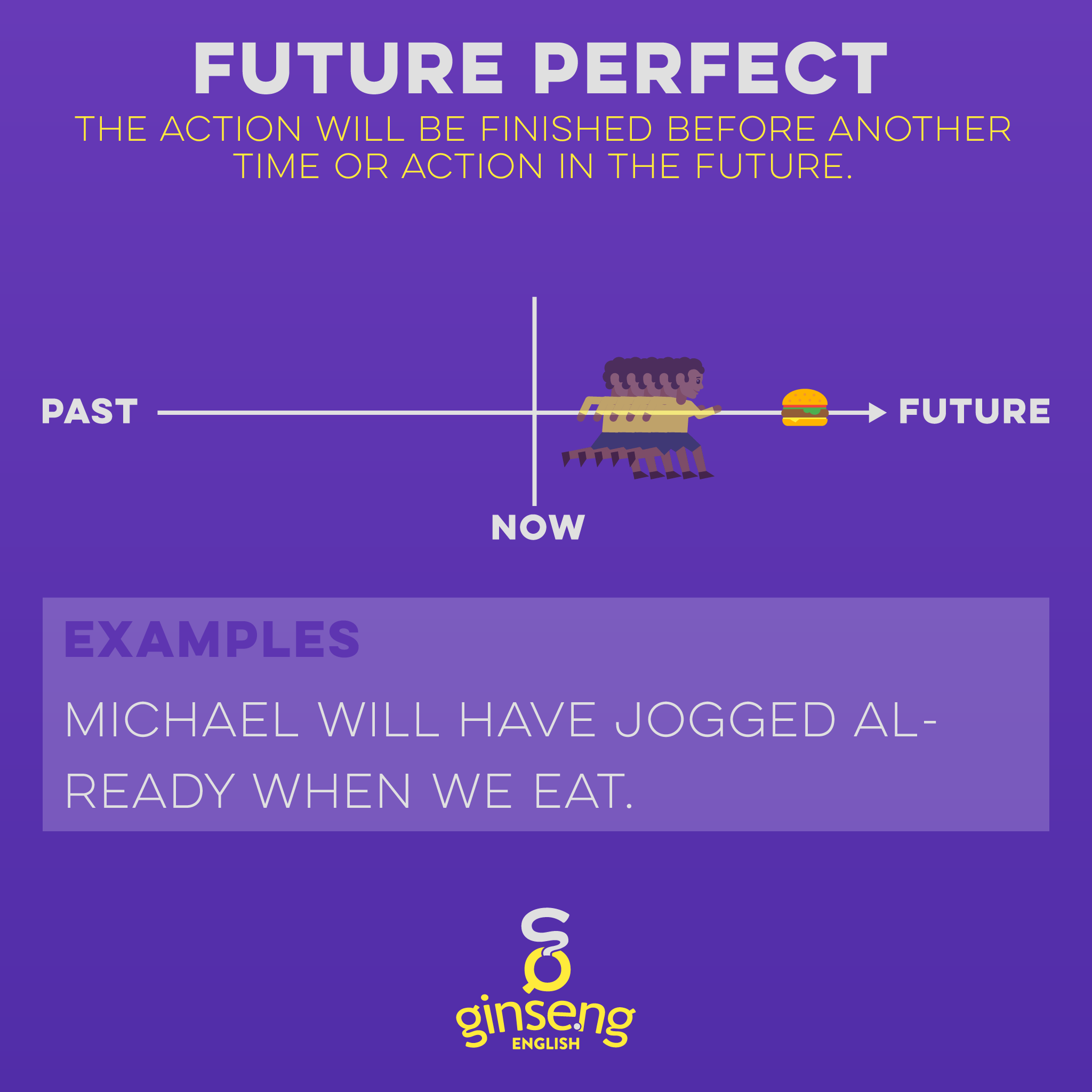
The past perfect is a verb form that we use to talk about an action that is complete before another action or event in the past.
It isn't one of the most common verb tenses in English (only about 1.2% of verbs in speech are in the past perfect), but it can be very important for narrating events in the past.
Chart for Past Perfect Tense in English
Using the Past Perfect Tense in English

Perfect verb forms are generally used to show that an action or situation is complete before another action or a point in time. In the past perfect, that one action happened before another action in the past. For this reason, we sometimes say the past perfect is “the past of the past.”
Here's an example:
Carla had already eaten when we arrived at her house.
There are two actions here: eating and arriving. Eat is in the past perfect, and arrive is in the simple past, so we know that the eating was completed first. When you have two verbs in a sentence, one in the simple past and one in the past perfect, the past perfect action finished before the simple past action.
The examples below illustrate the rules for how we generally use the past perfect tense.
Examples of the Past Perfect tense
First let's look at how we often use the past perfect in a sentence with other past tense verbs:
I had just left my house when it started to rain.
Notice that we have two clauses and two verbs. Started is in the simple past: it started and finished in the past. Left is in the past perfect (had left) which means that the action (leaving) was complete before the other action (starting to rain).
Sometimes there are two verbs in the same sentence, like in the example above, but not always. Look at this conversation:
Te: Hey, I called you last night, but you didn’t answer!
Banh: Oh, I went to bed pretty early last night. What time did you call?
Te: I think it was around 9.
Banh: Yeah, I had already fallen asleep.
In this example, the verb in the past perfect is had fallen asleep. We know that past perfect means this action was complete before another action or point in time in the past. In this case, we have both an action (Te called) and a time (around 9).
Forming the Past Perfect
Formula
Forming the past perfect is easy. We use had (the past form of the helping verb have) and the perfect form of the main verb.
subject + had + perfect VERB
Conjugation
This table shows the complete conjugation of the verb work in the past perfect.
| Singular | Plural | |||
|---|---|---|---|---|
| 1st person | I | had worked. | we | had worked. |
| 2nd person | you | had worked. | you | had worked. |
| 3rd person | he | had worked. | they | had worked. |
| she | had worked. | |||
| it | had worked. | |||
Other Forms of the Past Perfect
Negative Sentences
The helping verb in the past perfect is always had.To make a negative, put not after the helping verb had.
I had not studied French before I went to Morocco.
They had not seen each other for years.
I hadn’t eaten all night so I was starving.
Questions
To make a question, put had before the subject.
Had they dated long before they got married?
Had you expected the promotion?
Why had she bought so many extra tickets?
How long had you lived in San Francisco by then?
Passive Voice
To make a passive sentence in the past perfect, use be in the past perfect (had been) and then the perfect form of the main verb.
By 1945, the war had been won.
I had been fired, so I felt really depressed.
In the morning we learned that Kiki had been found by the neighbors.
Signal Words
The past perfect is often used with time words such as before, until, previously, etc. One word that is very common (and sometimes confusing!) with the past perfect is by.
We can use by with a specific time to show the completion of the action before that time.
By 1:00, everyone had left the party.
In this example, all the people left before 1:00.
The time isn't always a number, as these examples illustrate:
By dawn the rain had stopped.
By the end of the semester, she had completed all her prerequisites.
By then, I had figured out the solution.
By the time has a similar meaning, but it is used with a clause describing another action, rather than a time.
By the time I got home, everyone had gone to bed.
It had gotten dark by the time we finished eating.
Check out these other free grammar resources:
Simple Past Tense
The simple past is a very common English verb tense used to talk about actions that happened at a specific time in the past. Read about the rules for using it, how we form it, and tons of example sentences!
The simple past (sometimes called the second verb form) is a very common verb form in English. Almost 20% of verbs in English are in this form. It is the second most common verb form, after the simple present.
Using the Simple Past
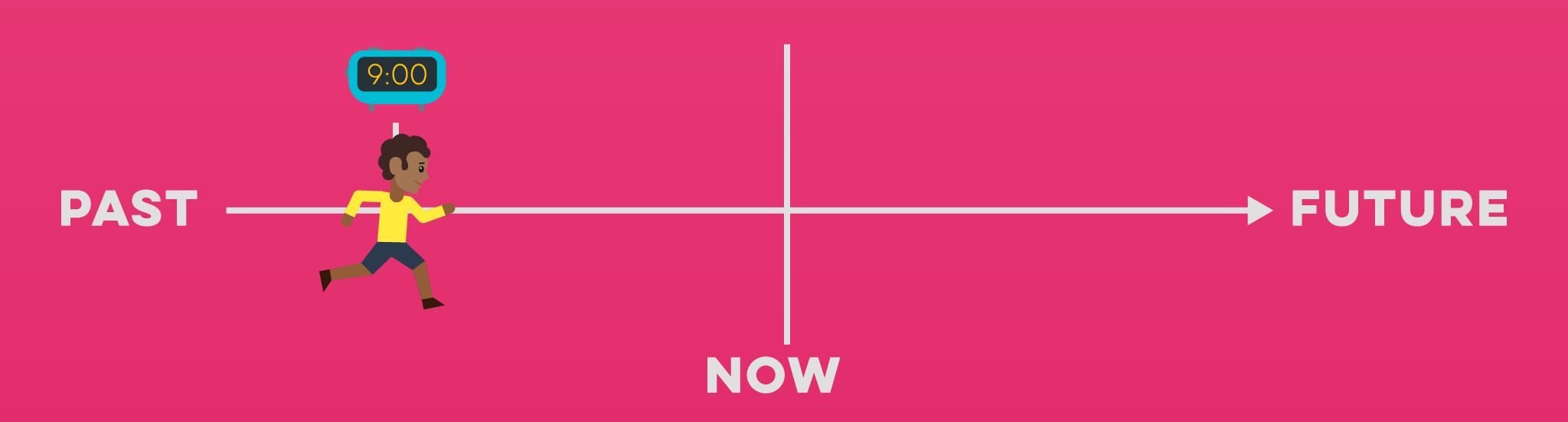
The simple past is used for actions that happened at a particular time in the past. They started and finished in the past. When you are telling a story about something that happened in the past, most main verbs will be in the simple past.
Chart for Simple Past Tense in English
The examples below illustrate the rules we generally follow when using this verb form
Examples
Here are some examples of regular verbs in the simple past:
Magellan landed in the Philippines in 1521.
Susan cooked us an amazing dinner last night!
I wanted a puppy when I was a child.
We needed lots of money to buy the new car.
England defeated Spain in the match last night.
Here are some examples of irregular verbs in the simple past:
Last night I saw a movie.
Back in June, I went to Paris.
I had a party last weekend. All my friends came.
We lost the match by three points.
I found my t-shirt under the bed.
Forming the Simple past Tense
Formula
Regular verbs take -ed to form the simple past tense.
subject + VERBed
In some cases, this requires doubling the last consonant in the word. Irregular verbs do not follow this pattern.
When you use this verb form, you almost always need to identify a specific time in the past when the action happened. Sometimes this tense is referred to as the second verb form.
Conjugation
The table below shows the complete conjugation of the verb work in the simple past:
| Singular | Plural | |||
|---|---|---|---|---|
| 1st person | I | worked. | we | worked. |
| 2nd person | you | worked. | you | worked. |
| 3rd person | he | worked. | they | worked. |
| she | worked. | |||
| it | works. | |||
Notes
Generally, when we use the past tense, it is important that the speaker and listener know the specific time. For example, just saying I went to the movies is unusual.
Other Forms
Negative Sentences
If the verb is a form of be, make a negative sentences in the simple past, by putting not after the verb.
That was not Rebecca.
She wasn’t at school on Tuesday.
We were not excited.
If the verb is not a form of be, put did not before the main verb to make a negative.
We did not feel hungry at dinnertime.
I didn’t go to school yesterday.
They did not want to come.
Questions
Exactly like the questions in the simple present, if the simple past verb is a form of be, move the verb to before the subject to form a question.
Was that girl Rebecca?
Was that pork?
Were they angry?
Where were you?
How was the pizza?
For other verbs, add did before the subject.
Did you like the movie?
Did Claire go home?
Where did you go?
What did you make for lunch?
Passive Voice
To form the passive voice in the simple past, use the verb be in the simple past (was or were) and then the perfect form of the main verb:
The factory was built in 1909.
A new island was discovered.
See our complete guide to the passive voice in English for more details and examples.
More free english resources



Describing People in English
This article introduces basic vocabulary for describing people in the English language, including adjectives, words for features, and words for clothing items.. This article is appropriate for beginner and low-intermediate ESL students.
If you are studying English online by yourself, a good place to start is by learning how to describe the people around you, your friends, your family, and yourself!
In this post we introduce over 40 vocabulary words for describing people in English, along with 6 sentence frames to use them in. The first three sentence frames are basic (level A1). The other three are a little more advanced (level A2-B1). All of the vocabulary is basic (levels A1 to A2). (If you don't know what A1 and A2 and B1 and B2 mean, learn about the CEFR!)
Note: Reading this article in English will be difficult for A1 and A2 students. We will soon translate this article into many different languages!
What is a Sentence Frame?
Sentence frames are a really useful way to learn how we speak English. A sentence frame is a sentence with an empty slot that many different words can go in for many different situations. For example, if you learn the sentence frame I feel [ADJECTIVE], you can make hundreds of different sentences. All you need to do is learn a new adjective that fits in that slot: I feel hungry. I feel tired. I feel angry. I feel sick. At a basic level, sentence frames are a great way to learn English!
Frame #1 - Basic Sentences for Describing People
The first three sentence frames we will look at are simple sentences. One of the most common ways to describe people is with adjectives: tall, short, fat, skinny, pretty, handsome, ugly. To use these common adjectives in a sentence, try this frame:
The man is [ADJECTIVE].
The man is tall. The man is fat. The man is ugly. The man is in shape. These are all good sentences in English.
It is important to know that The man is another slot that you can change. The woman is tall. My friend is tall. My dad is tall. Jane is tall. She is tall. You can put any person in that slot.
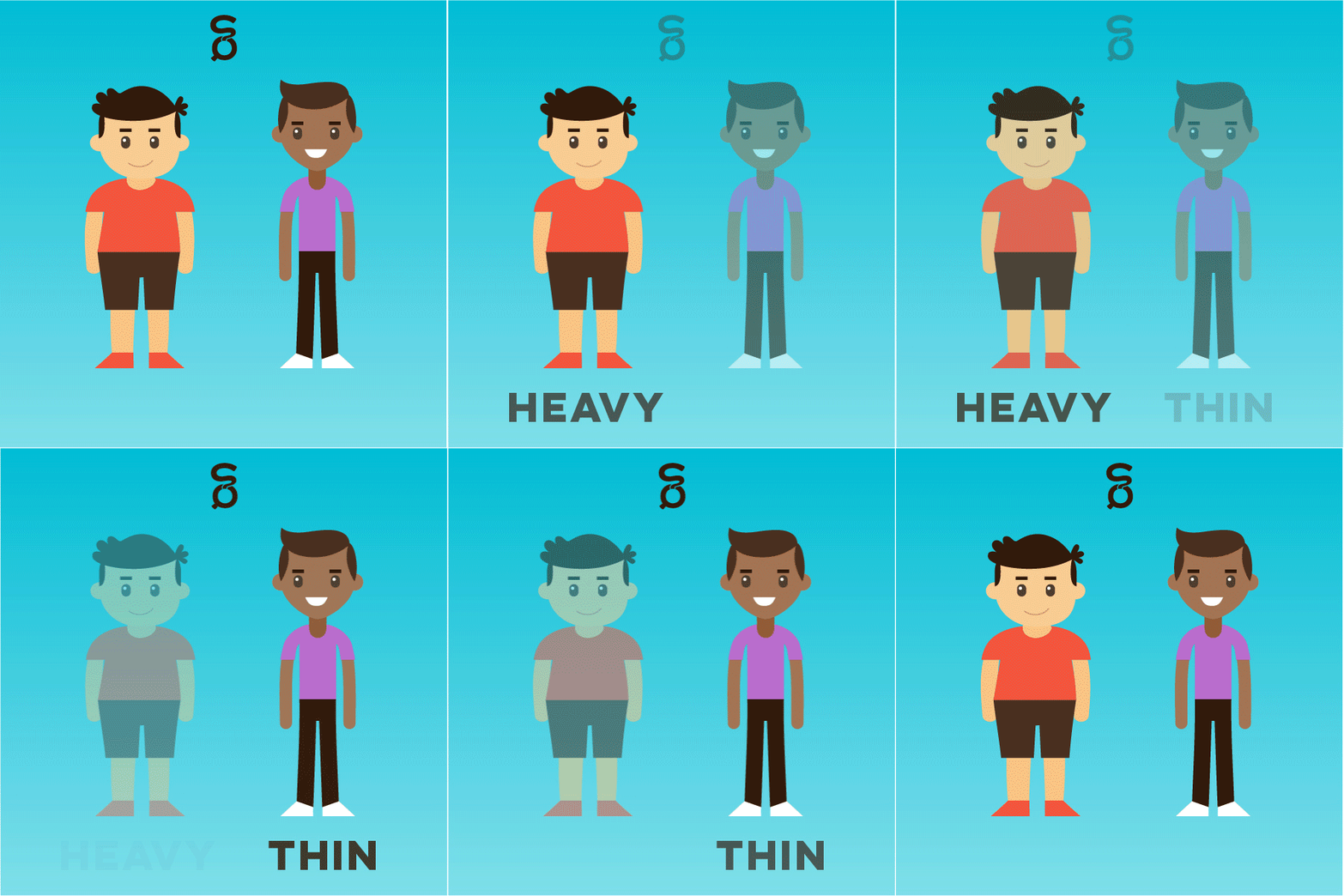
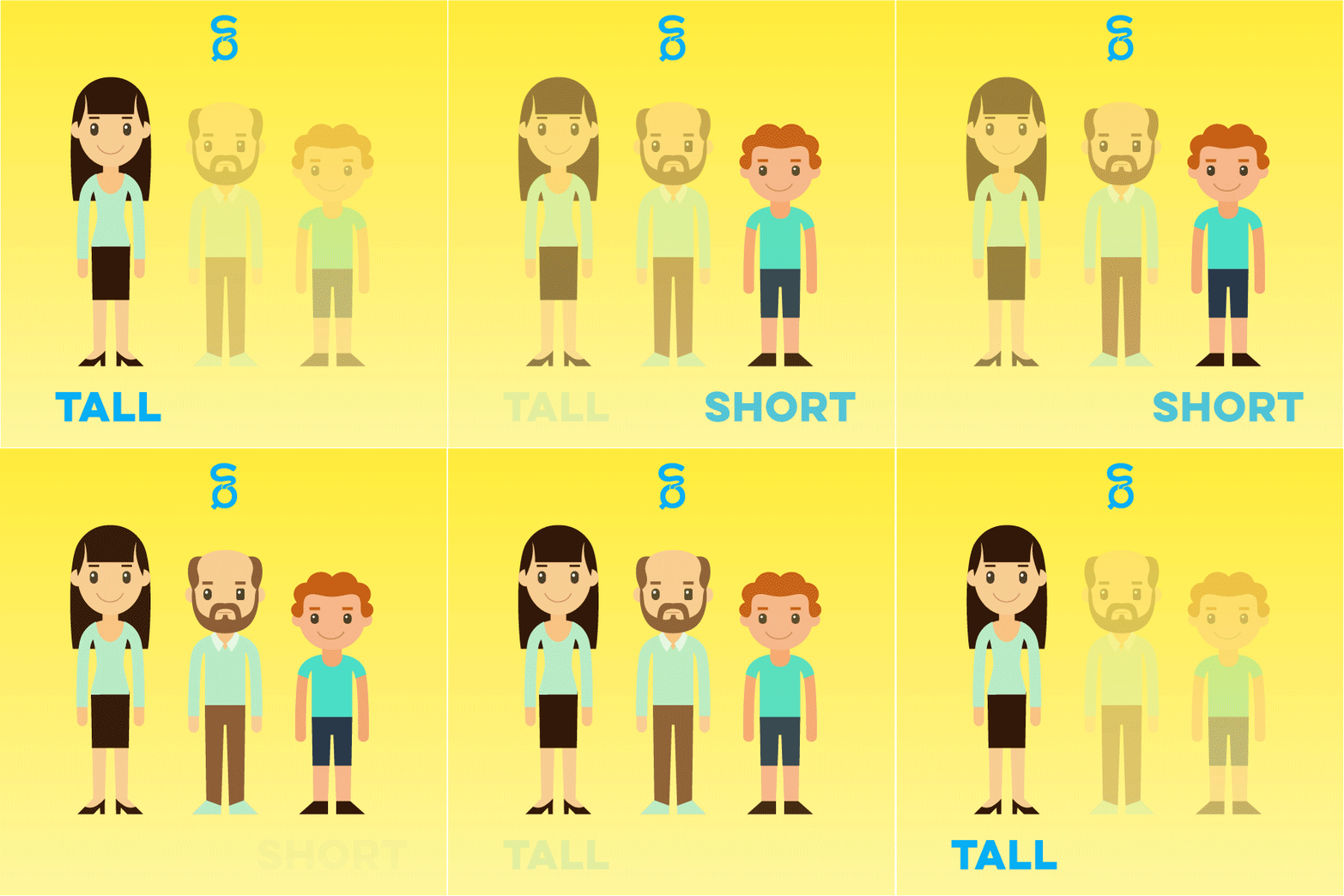
Now let’s take a look at some adjectives describing people that can fit into this slot:
| Word | Pronunciation | Definition |
|---|---|---|
| tall | /tɔl/ | greater in height than the average person; not short |
| short | /ʃɔrt/ | lesser in height than the average person; not tall |
| thin | /θɪn/ | not having lots of extra flesh; not fat |
| fat | /fæt/ | having lots of extra flesh; not thin |
| old | /oʊld/ | having lived many years; not young |
| young | /jʌŋ/ | not having lived many years; not old |
| in shape | /ɪn ʃeɪp/ | healthy and physically strong |
| out of shape | /aʊt ʌv ʃeɪp/ | not healthy or physically strong |
| beautiful | /ˈbjutəfəl/ | attractive; good looking (mainly for females) |
| ugly | /ˈʌgli/ | not attractive; not good looking |
| handsome | /ˈhænsəm/ | attractive; good-looking (usually for males) |
| bald | /bɔld/ | not having hair on the top of the head |


Frame #2 - Basic Sentences Describing Features
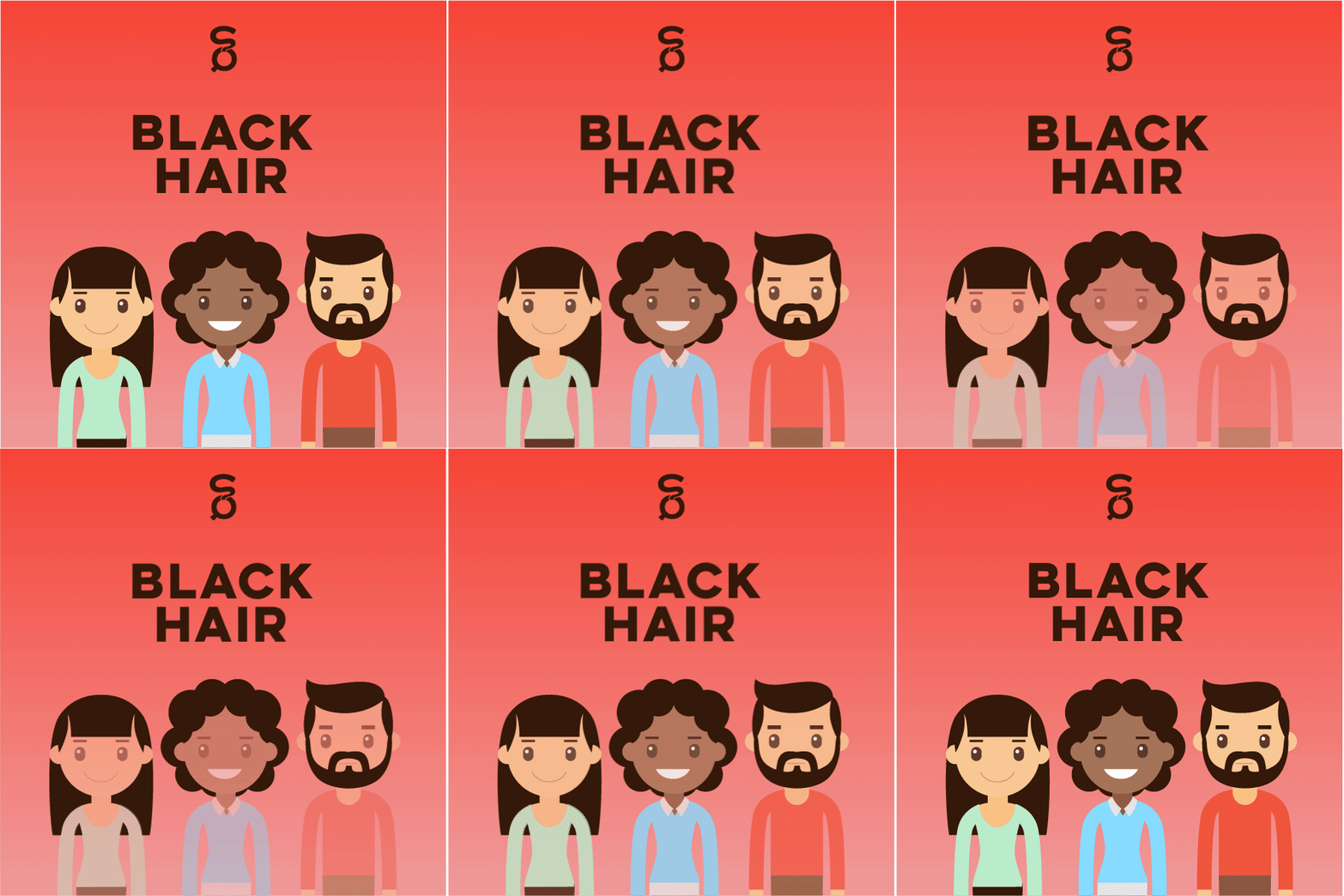
The next basic sentence frame for describing people in English focuses on a specific feature: glasses, curly hair, black hair, blue eyes, a mustache, a ponytail. To talk about a person’s features, use this sentence:
The woman has [FEATURE].
With this sentence frame, you can make lots of different sentences:The woman has curly hair. The woman has glasses. The woman has long hair. The woman has a ponytail.
Again, you can change the person slot as well: The man has long hair. My friend has long hair. My sister has long hair. Clara has long hair.
Here are some features (nouns or nouns with adjectives) that can fit into this sentence frame:



Frame #3 - Basic Sentences Describing Clothes
The last sentence we will talk about for describing people focuses on clothes. Who doesn’t love clothes!? Black shoes! Gray pants! Blue ties! Green skirts! But let’s make complete sentences with them. Here is the sentence frame:
The woman is wearing [CLOTHES].
And here is a list of clothes that can go into this sentence:
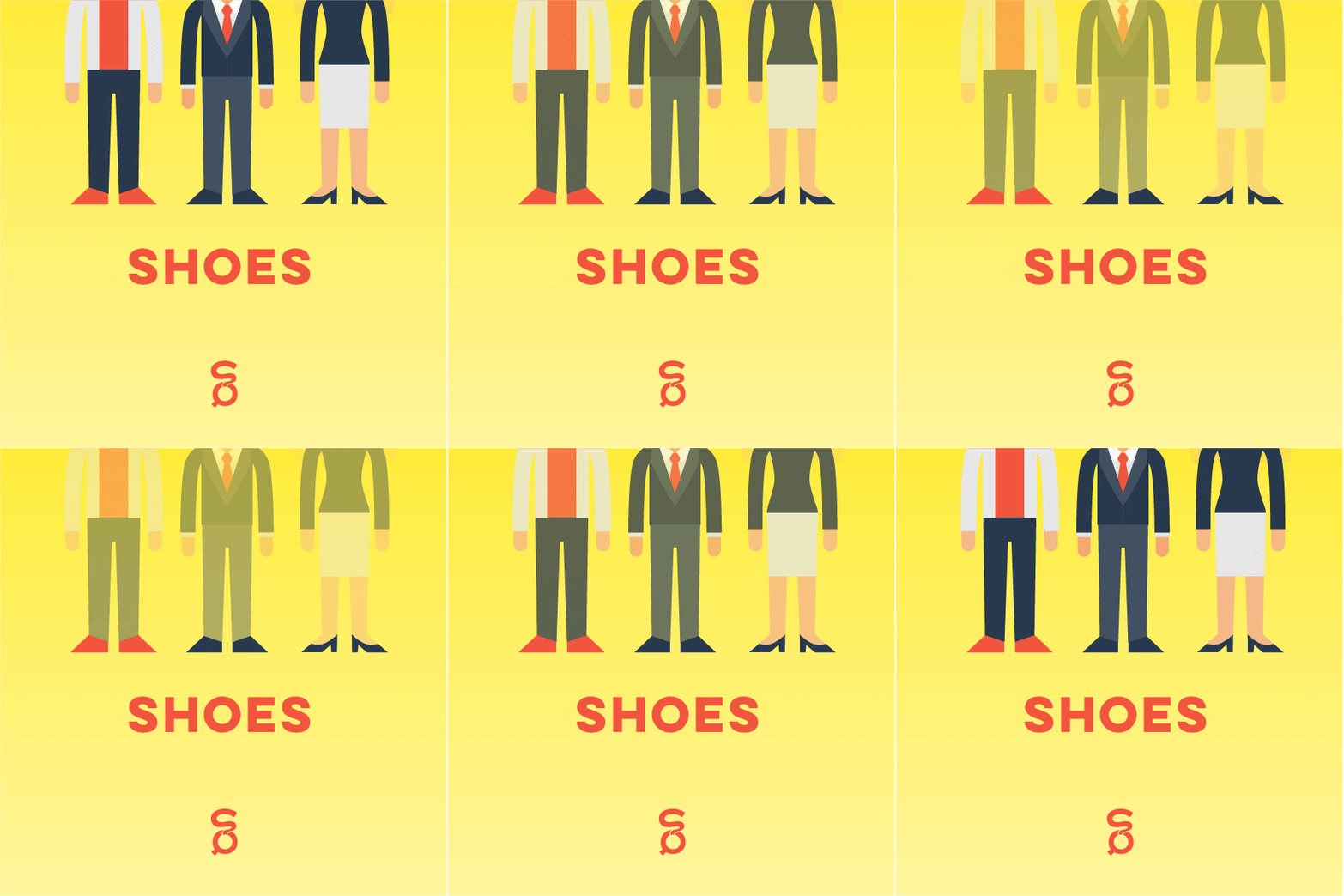

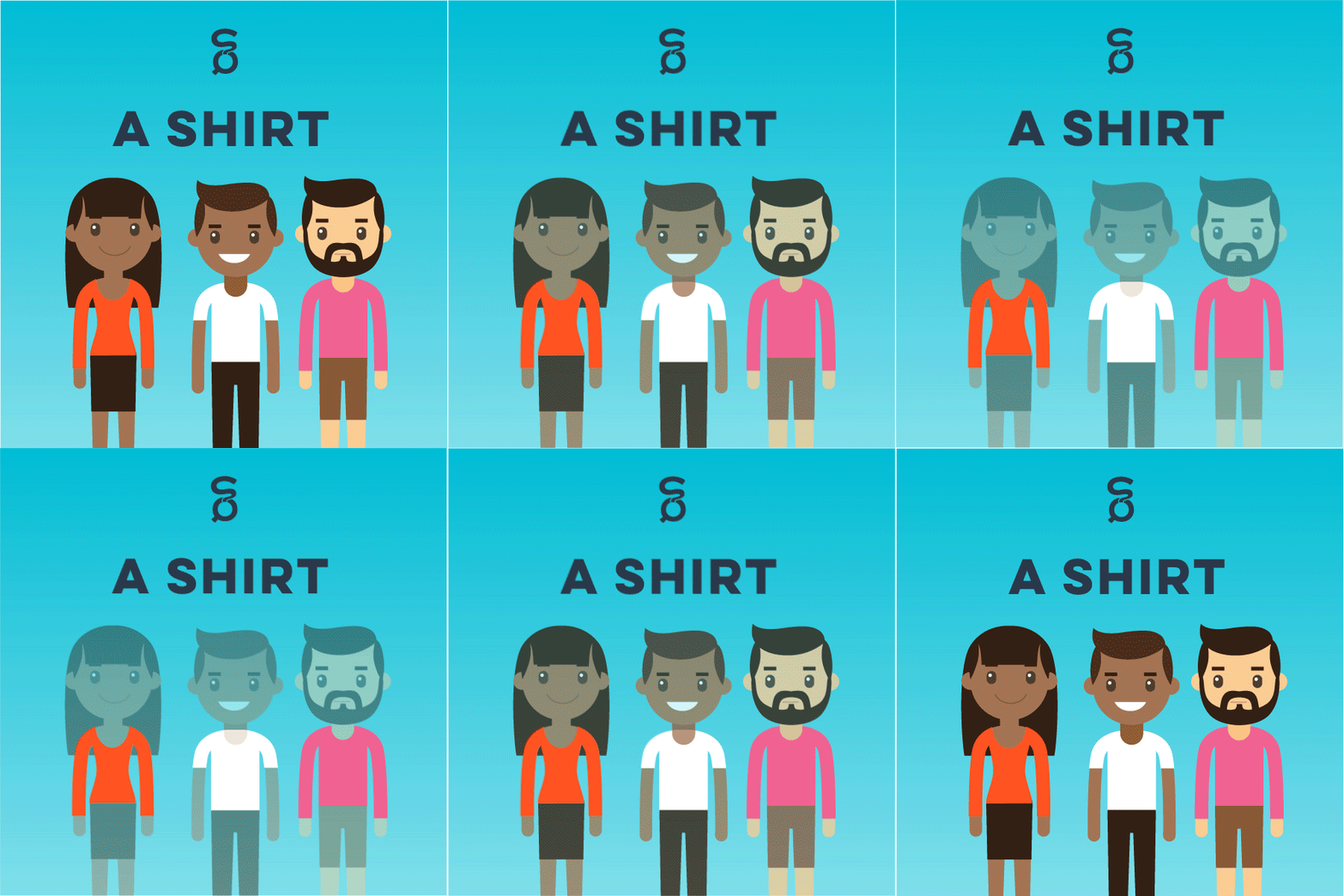




All of these clothing items can be used with color words to be even more descriptive. The woman is wearing black shoes. The man is wearing a yellow tie.
So, those three sentence frames, combined with this vocabulary, allow you to make hundreds of different sentences to describe people. If you are a beginner, and this is mostly new information for you, you can stop here.
But, if you know most of this stuff, and you want to learn some more advanced English sentences, read on!
Complex Sentence Frames Describing People
The first three frames talked about nouns, features, and clothes, in that order, right? The next three frames will be used to talk about the same three things, but in a more complex way. All of the same vocabulary from the sections above can be used with the next three frames, in the same order.
In the first three sentence frames, the main idea of each sentence was describing people. The sentences were about describing people. The thing that I want to tell you about the man is that he is tall. But sometimes we want to describe people in a sentence about something else, and the description is not the most important idea in the sentence. For example, maybe I want to tell you that the man is my neighbor, but I also want to mention that he is tall. These next sentence frames will help in situations like that.
Frame #4 - Adjectives Before Nouns
Let’s use that example. The I want to tell you that the man is my neighbor, and I also want to describe him as tall. I can put the adjective before the noun: The tall man is my neighbor. You can also put any of the other adjectives from above into that slot.
The [ADJECTIVE] man is my neighbor.
The handsome man is my neighbor. The old man is my neighbor. The fat man is my neighbor. And again, the end of the sentence (which we call the predicate) is a slot, too, and you can put different verbs in there: The tall man likes football. The tall man is eating. The tall man has a car.
Frame #5 - Features and With
If you want to talk about someone’s features in that same sentence, we need to use the preposition with. We could say The man with glasses is my neighbor. Any of the other features can go into that same slot:
The man with [FEATURE] is my neighbor.
The man with red hair is my neighbor. The man with a mustache is my neighbor.
Frame #6 - Clothing and in
When we want to talk about clothes, we need another preposition. Instead of with, we use in. The man in the blue shirt is my neighbor. Any of the clothing vocabulary above can go into that same slot:
The man in [CLOTHES] is my neighbor.
The man in the tie is my neighbor. The man in the grey pants is my neighbor. The woman in the red hat is my neighbor.
Wrap-Up
That's it! Study these six sentence frames and the vocabulary, and you can now make hundreds of new sentences to describe people! Check back soon and we'll have a quiz to check what you have learned!
Rob Sheppard is the founder and Chief Executive Teacher at Ginseng. Over the past ten years, he has taught English in Taiwan, South Korea, and his hometown of Boston. Now he teaches online at Ginseng while traveling the world.
You can email Rob at rob@ginse.ng.

More free English Vocabulary Resources
Simple Present Tense
The simple present is the most common and useful verb tense in English. It is used to talk about repeated actions and to describe people or states of being. Read about the rules for using the simple present tense, how we form it, and tons of example sentences!
One of the most important parts of English grammar is verb tenses, and the simple present tense (also known as present simple or present indefinite) is the most common verb tense in English. Over 50% of verbs in English are in this tense, so it's a really important tense to learn. It is used for several different situations.
Using the Simple Present Tense
The simple present can describe actions that happen regularly. This means things we do again and again, things we do every day, every week, every month. This can be routines and habits, and also things that are currently, always, or generally true.
Simple Present Verb Chart
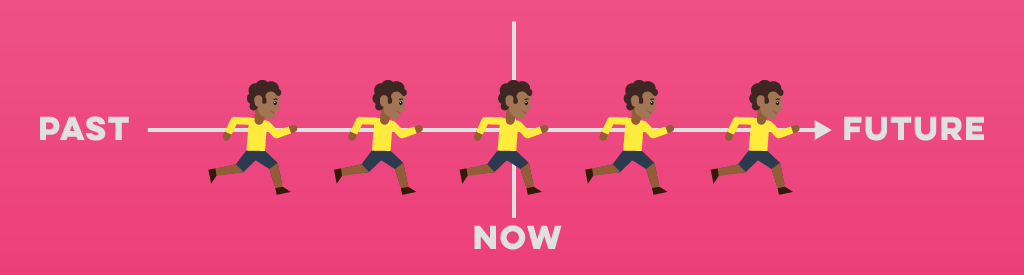
This form is also used to describe feelings, emotions, and our senses. We can also use it for describing people and things in English.
It is important to note that we do not generally use this tense for actions that are happening right now. For this situation we use the present continuous tense. See this article about the difference between simple present and present continuous/progressive.
The examples below illustrate the rules for how we generally use the simple present.
Examples
Here are twelve example sentences showing different ways that we can use the simple present tense:
To state facts:
The earth moves around the sun.
Birds have wings.
Your mother's mother is your grandmother.
To describe habits and routines:
I wake up at 7:00.
I brush my teeth every day.
I take my vacation every August.
To describe people and things:
She has brown hair.
That car is red.
Sally is tall
To describe feelings and opinions:
She is angry.
We are cold.
I smell cookies.
Sarah loves movies.
Forming The Simple Present Tense
Formula
Regular verbs in English take the base form of the verb (the infinitive without to, sometimes called first verb form).
subject + VERB
The exception is the third person singular (he, she, and it), which add an -s.
subject + VERBs
If the word ends in -ch, -sh, -th, -ss, -o, or -z, you usually have to add -es.
Conjugation
The table below shows the verb to work conjugated in the simple present tense.
| Singular | Plural | |||
|---|---|---|---|---|
| 1st person | I | work. | we | work. |
| 2nd person | you | work. | you | work. |
| 3rd person | he | works. | they | work. |
| she | works. | |||
| it | works. | |||
If you don’t know the words I, he, she, it, we, you, and they, you can read more about pronouns.
Other Forms
Negative Sentences
If the main verb is a form of be, simply put not after the verb to make a negative sentence.
That is not pork.
I’m not Rebecca.
If the main verb is not a form of be, use the helping verb, do (or does), then not, then the base form of the verb.
He does not like cheese.
I do not have a lighter.
She doesn’t live near here.
Questions
Many simple present questions use the verb be. If the verb is a form of be, move the verb to before the subject to form a question:
Are you Rebecca?
Is this pork?
Where are you?
What is that?
If the main verb is not be, we need to use a helping verb to make questions. In the simple present, the helping verb is do (or does with he, she, or it).
Does he like cheese?
Do you have a lighter?
What do you think?
Where does she live?
Passive Voice
To make a passive sentence, use be in the simple present (is/are), and then the perfect form of the main verb.
Pineapples are grown in Hawaii.
Ice cream is made with milk.
The New York Times is read around the country.
Notes
Adverbs of frequency are often used with the simple present tense
check out these other free grammar resources:
Parts of a Laptop
English Vocabulary - Parts of a Laptop
Today lets learn English words to talk about parts of a laptop. As you may know, a laptop is a computer you can close like a book and take with you. Larger computers that you cannot take with you are called desktops, because they sit on top of a desk. A laptop sits on top of your lap (your lap is the upper part of your legs, which is horizontal when you sit!
The part of the laptop that you look at is called the display. Display is also a verb: your computer displays pictures, videos, and websites. Some people call this a screen, too. Screen is a more general word—your TV has a screen, there is a screen at the movies—but display is better for computers. On most laptops, there is an area around the display that doesn't show pictures, like a frame. We call this the bezel. In the middle of the bezel, above the display, you probably have a webcam: a camera that you can use on the web.
The part of the laptop with the letters is called the keyboard. A board is a flat surface, and this board is covered with buttons called keys; that's why we say keyboard! In front of the keyboard is a touchpad, which you can touch to move your cursor (the arrow on your computer screen).
On the sides of the laptop (not shown in this picture) you may have many different ports to plug in your power cord, headphones, or a USB cord.
More free English resources



Parts of a Laptop Computer
This, That, These, Those - Demonstratives
What are This, That ,These, and Those?
This, that, these, and those are called demonstratives.
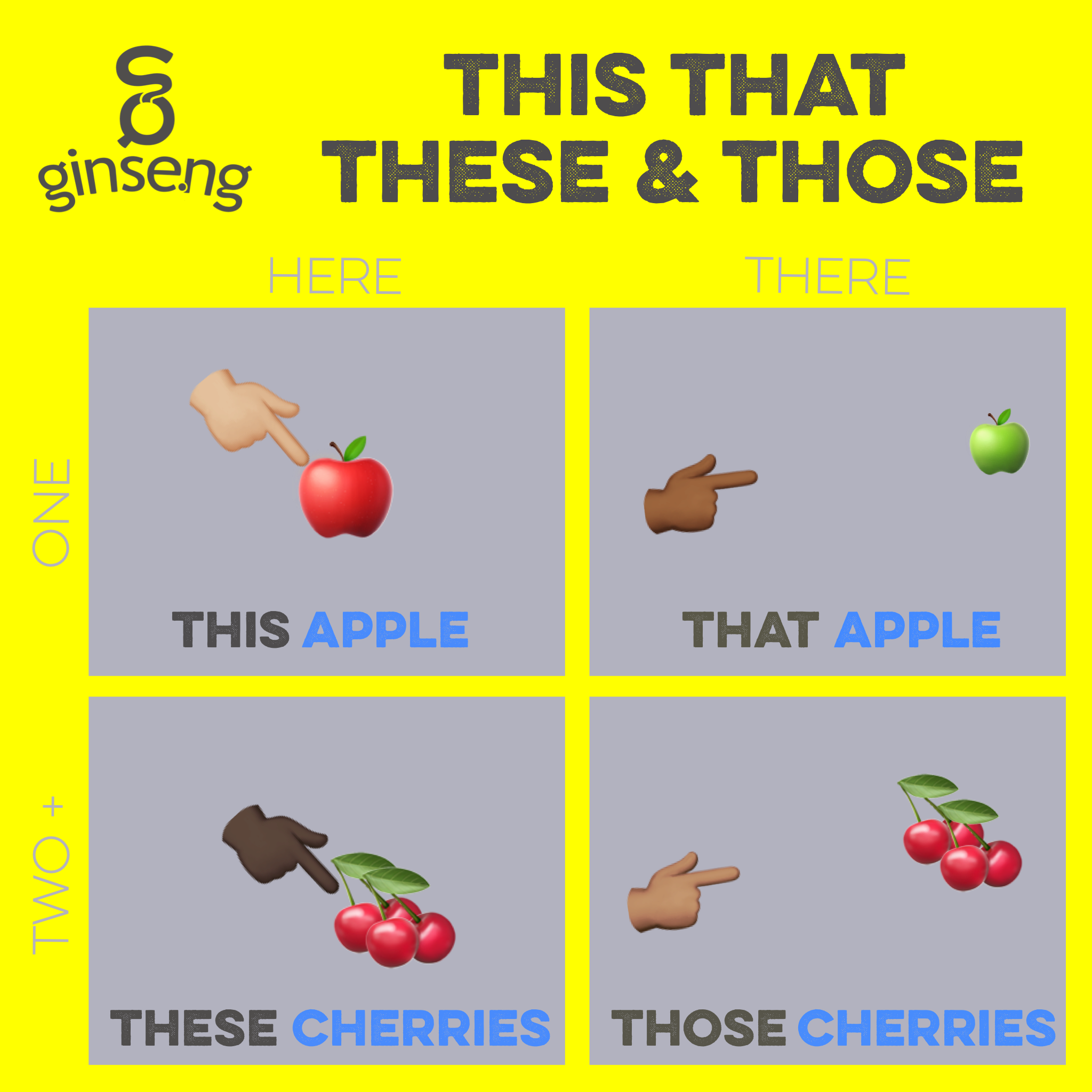
Demonstratives are grammar words that we use to show if an object or idea is close to or far from the person speaking. You can say that we use demonstratives to demonstrate where things are and how many there are.
This and that are both singular demonstratives. These and those are both plural.
This hat is Jayne's.
That scarf is Ennio's
These sneakers are Santiago'sThose gloves are Maya's
This and these are used for things that are here, close to the speaker. That and those are used for things that are there, far from the speaker. Close and far here can mean physical distance or psychological distance.
This pen here is Jayne's
These keys I'm holding are Ennio's
That stapler over there is Santiago'sThose books on the table are Maya's
There are two ways that we use the determiners this, that, these, and those. We can use them as pronouns or as determiners.
Demonstrative Determiners
Demonstrative determiners come before a noun, as part of the noun phrase. Because they come before a noun, demonstrative determiners are sometimes inaccurately called demonstrative adjectives.
this fish
that squid
these clams
those crabs
Demonstrative determiners give us information about the quantity and location of nouns. If we say this apple, we know there is one apple, and it's right here. If someone says those apples, it usually means many apples, and they are over there, not close to the speaker.
This and that are both singular, meaning they only talk about one thing. This is for a thing that is close to us, and that is for a thing that is far away. These and those are both plural, used to talk about many things. These is for things that are close to us, and those is for things that are far away.
This, that, these, and those are all demonstratives: they demonstrate where things are and how many there are. In the examples above, they all come before nouns, which makes them determiners. But these same four words can also be used without nouns, acting as pronouns. In that case they are called demonstrative pronouns.
Demonstrative Pronouns
Today, we will take a look at another, similar way to use this, that, these, and those. We can also use these words without a noun after them. For example, we can say, "This is a hammer." Here, this doesn't go before the subject of the sentence; it is the subject of the sentence. It works takes the place a noun and represents the thing, the hammer. Words that stand in place of a noun are called pronouns. So in these sentences, this, that, these, and those are called demonstrative pronouns. See the graphic below for some more examples.
One more time, if they come directly before a noun, this, that, these, and those are called demonstrative determiners. If they replace a noun, acting as a subject or object, they are called demonstrative pronouns.
Notice that the meanings are the same for demonstrative determiners and demonstrative pronouns. This and that are both singular. These and those are both plural. This and these are both for things that are close. That and those are both for things that are over there.
Other free grammar resources
This That These Those - Demonstrative Determiners
Demonstrative determiners are this, that, these, and those. They come before a noun to indicate quantity and location.
What on earth is a demonstrative determiner!? Don't worry, it's not nearly as scary as it sounds, and this Ginseng English post will explain it!! Demonstrative determiners (which are sometimes inaccurately called demonstrative adjectives) are just the words this, that, these , and those.
This and that are both singular, meaning they only talk about one thing. This is for a thing that is close to us, and that is for a thing that is far away. These and those are both plural, used to talk about many things. These is for things that are close to us, and those is for things that are far away.
This, that, these, and those are all demonstratives: they demonstrate where things are and how many there are. In the examples above, they all come before nouns, which makes them determiners. But these same four words can also be used without nouns, acting as pronouns. In that case they are called demonstrative pronouns.
If you like this, share the image below with #ginsenglish!
