Top 10 English Learning Blog Posts of 2017
2017 is drawing to a close, so it's the perfect opportunity to review the year's best blog post to help you learn English for free!
from the Ginseng English Blog
2017 is drawing to a close, so it's the perfect opportunity to review the year's best blog post to help you learn English for free!
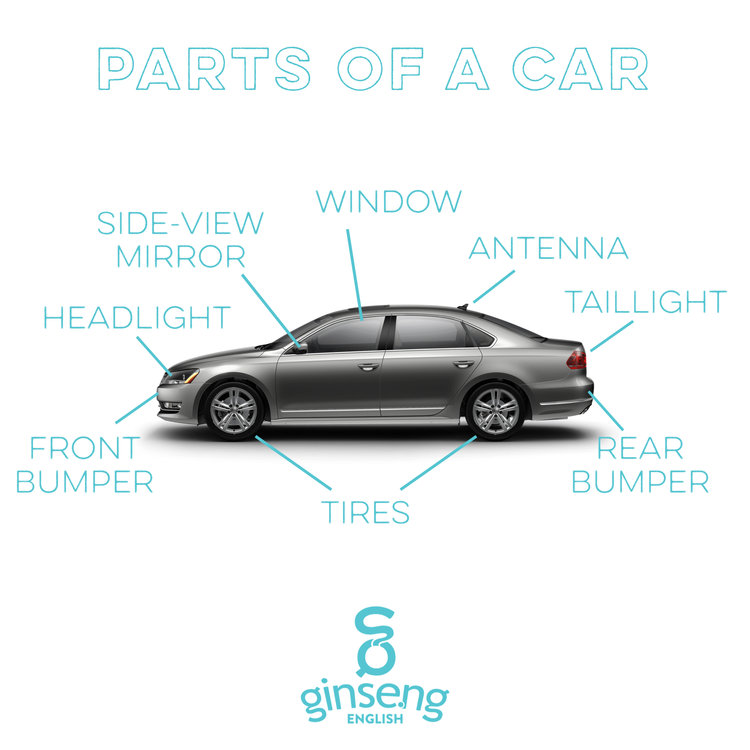
1. Parts of a Car
Welcome to the first post in a new series on basic vocabulary from the Ginseng English Blog: Parts of a... Today, let's look at some useful English vocabulary for the outside of a car!
2. 3 Types of -ING Verb
Ready for some challenging academic grammar?
English grammar can be difficult because sometimes the same word works differently in different situations. This is true for -ing verbs, which can do three different things.
Let's look at the 3 types:

3. Silent Letters
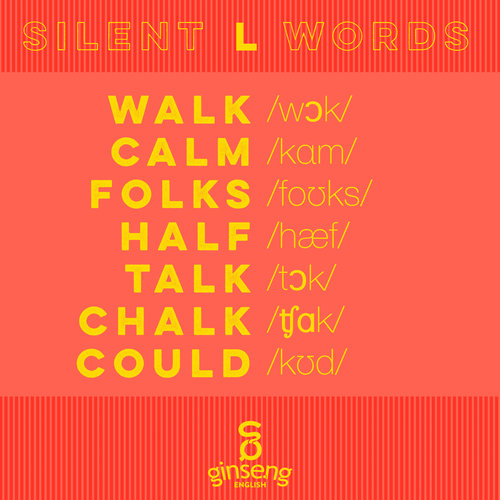
One of the most frustrating and interesting things about learning English is the crazy pronunciation. Silent letters can be particularly difficult. They are there. You can see them. But you don't hear them!


4. Is Coding More Important Than English?
Apple CEO Tim Cook caused some controversy this week when he said that he believes learning coding is more important for students around the world than learning English. Read his exact words in this post and see if you agree: Is coding the language of the future, or will English remain important?

5. Give and Take
Let's have a quick look at two very common verbs in English: give and take. The meaning is simple. I have something, and I want you to have it so I put it in your hand. I give it to you. You take it from me. But the grammar is a little more difficult.

6. Basic Geometry Vocabulary
Rob recently took a trip to Shanghai and recorded a lesson on geograph—err, geometry vocabulary. Take a moment and have a look!

7. Top 15 Twitter Accounts to Learn English
Learning English online isn't easy, and your best options are generally actual online classes with real teachers, but Twitter does have some great ESL sites to help you improve your English in 140 characters! Here's a list of our favorite accounts.

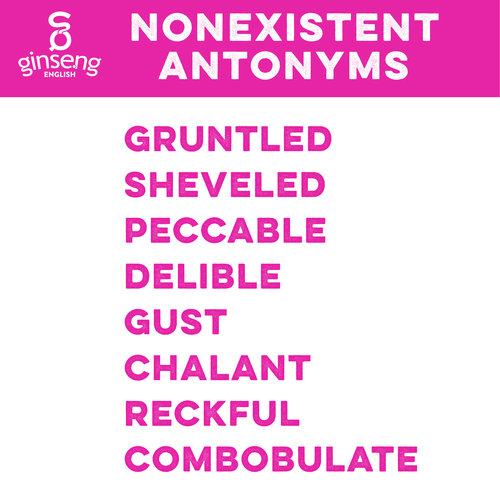
8. NON existent words
Dictionary.com published a fun list of words that don't exist. What does that mean? Well, they're not just random letters, they are words that you might expect to exist because of other words that look like their opposites. Confused? Read on!
9. English Verb Form Frequency
We spend a lot of time in English class studying different verb tenses. I can't tell you how many times my students have asked me, "How often do we really use the future perfect progressive???" My answer is usually that it is very rare, but it's meaningful, and it can be helpful to understanding how the past perfect progressive works as well. But that really is a good question:
How often do we use each verb tense?

10. 5 Myths About Learning English
Learning English is tough. And it's even tougher because there's lots of bad information about what makes good education. This post looks at five myths—things that many people believe, but that are not true—about learning English.

More free English resources:
Top 3 family films to watch in English (Guest Post)
Top 3 Family Films to Watch in English
(That the Whole Family Will Love!)
Ginseng is happy to host this guest post by Katie from Break Into English!
You know the drill: you’ve spent all week working hard to then go and pick the kids up from school.
Luckily you don’t have to take them to that English academy across town since you’ve signed them up for online English classes for kids so you can go straight home instead of getting stuck in another unbearable traffic jam.
But you still have to cook them dinner. And get them to do their homework. And correct the homework. And bathe them. And put them to bed. All this five times a week. You can’t wait for the weekend! Then you think of all the time and energy you will need to keep them entertained when all you want to do is relax. You think about putting a movie on—but really you cannot deal with the idea of sitting through another mind-numbing kids’ movie, yet again.
Don’t worry, we’ve got you covered.
Here are our top 3 family movies that adults will love too. You can all curl up on the sofa—the kids with popcorn and parents with a glass of wine (or two!)—and the whole family can brush up on their English listening skills without even feeling like they’re studying! Read on to find out which kids’ movies are also entertaining for adults, and let us explain why they can be a great complement to the English classes they’re already taking! It can even help them to prepare for the listening section of exams such as the Cambridge Flyers.

- The Lego Movie
Lego is everywhere. A timeless toy that never goes out of fashion (or gets boring!). Whether you love building princess castles or Star Wars spaceships, everyone loves Lego. As an adult you might be a little doubtful about whether this movie might actually work: will you really be entertained for 1 hour and 41 minutes watching Lego? The answer is Yes!
The movie has a great storyline with lots of jokes (some of which only adults will get!). You’ll love seeing the relationships form between the characters and you definitely won’t be bored!

The theme song ‘Everything is Awesome’ is extremely catchy and, if you listen to the lyrics carefully, they’re very funny for adults. For example, one part of the songs states, ‘Lost my job, there’s a new opportunity, more free time for my awesome community’. After the movie, if you really want to study English for half an hour or so look up the song and study the vocabulary. You’ll learn some new words whilst having a laugh at the irony of the song!

2. The Addams Family
Well known around the world, The Addams Family is a great movie for both adults and kids (just make sure the kids aren’t too young; they might find it a little scary!). If you like scary movies, then you’ll love this slightly more tame family version. It’s a great movie for learning English. Even the theme song contains some really great advanced vocabulary:
“They’re creepy and they’re kooky,
mysterious and spooky,
They’re altogether ooky,
The Addams Family”
Creepy = scary
Kooky = strange
Spooky = scary (usually to do with ghosts!)
Ooky = unpleasant
Remember to note down any new vocabulary you come across!
3. Uncle Buck
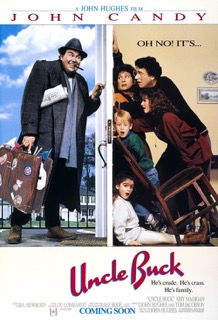
This film really is great for all the family, as it is so relatable. When the parents of a family have to leave town, suddenly there is only one person available to look after their three children: the lazy, carefree Uncle Buck. The two younger children love their funny Uncle but the teenage girl of the family is a little harder to crack. You’ll love the characters and really enjoy watching them develop. And the kids will love all the mischief Uncle Buck gets up to!
Watching movies in English is a great way to practice your listening skills as well as pick up new vocabulary. Another engaging, interactive and practical way of learning English is via webcam.
This article was written by Katie Gyurkovits, a blogger and English Teacher at Break Into English.

MORE FREE ENGLISH RESOURCES
LEARN ENGLISH QUICKLY WITH OUR ENGLISH CLASSES
Silent L Words
If you’re looking for explanations and examples of words with silent L, you’ve come to the right place. Charts, definitions, word lists, and the history of how silent L became silent.
Silent L Words
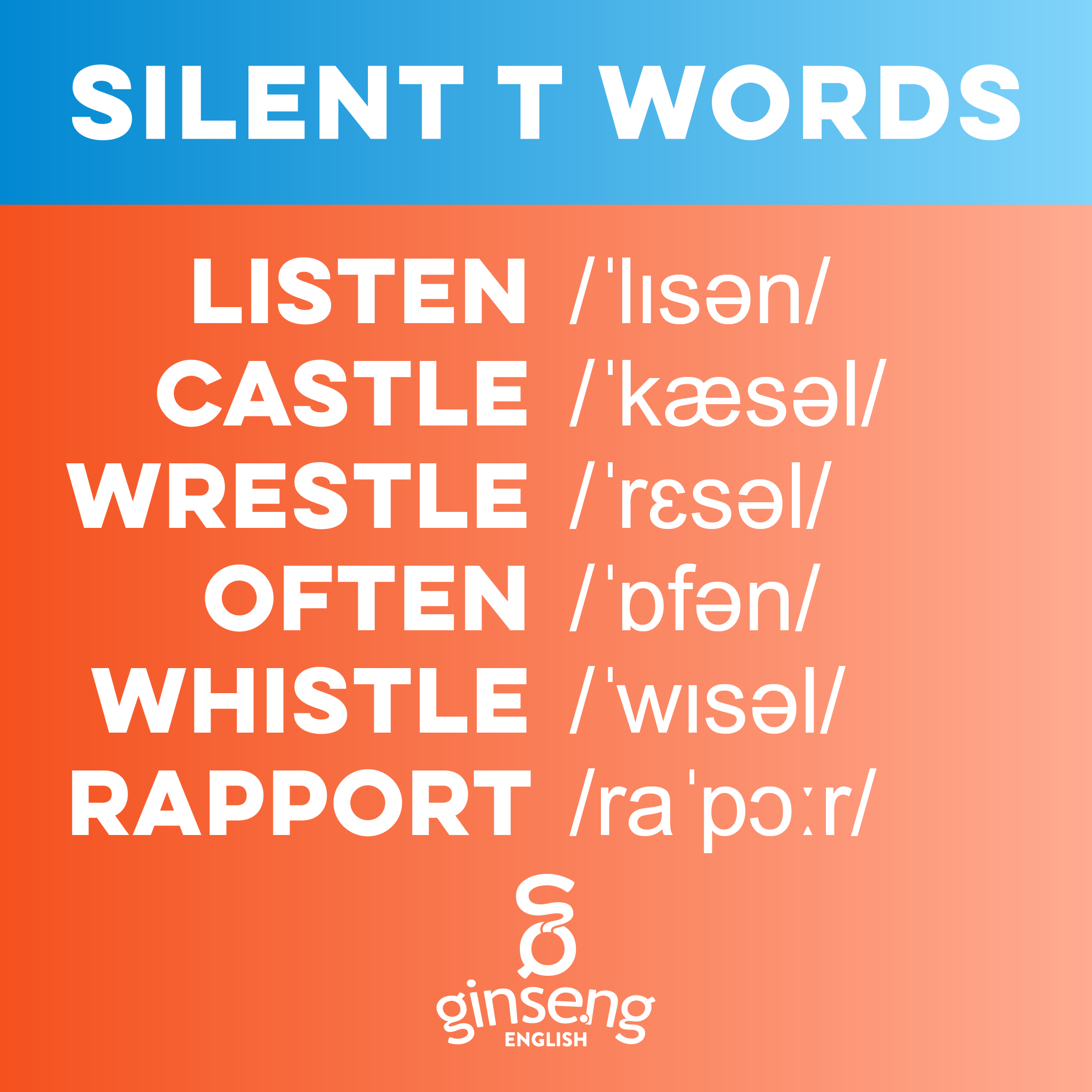
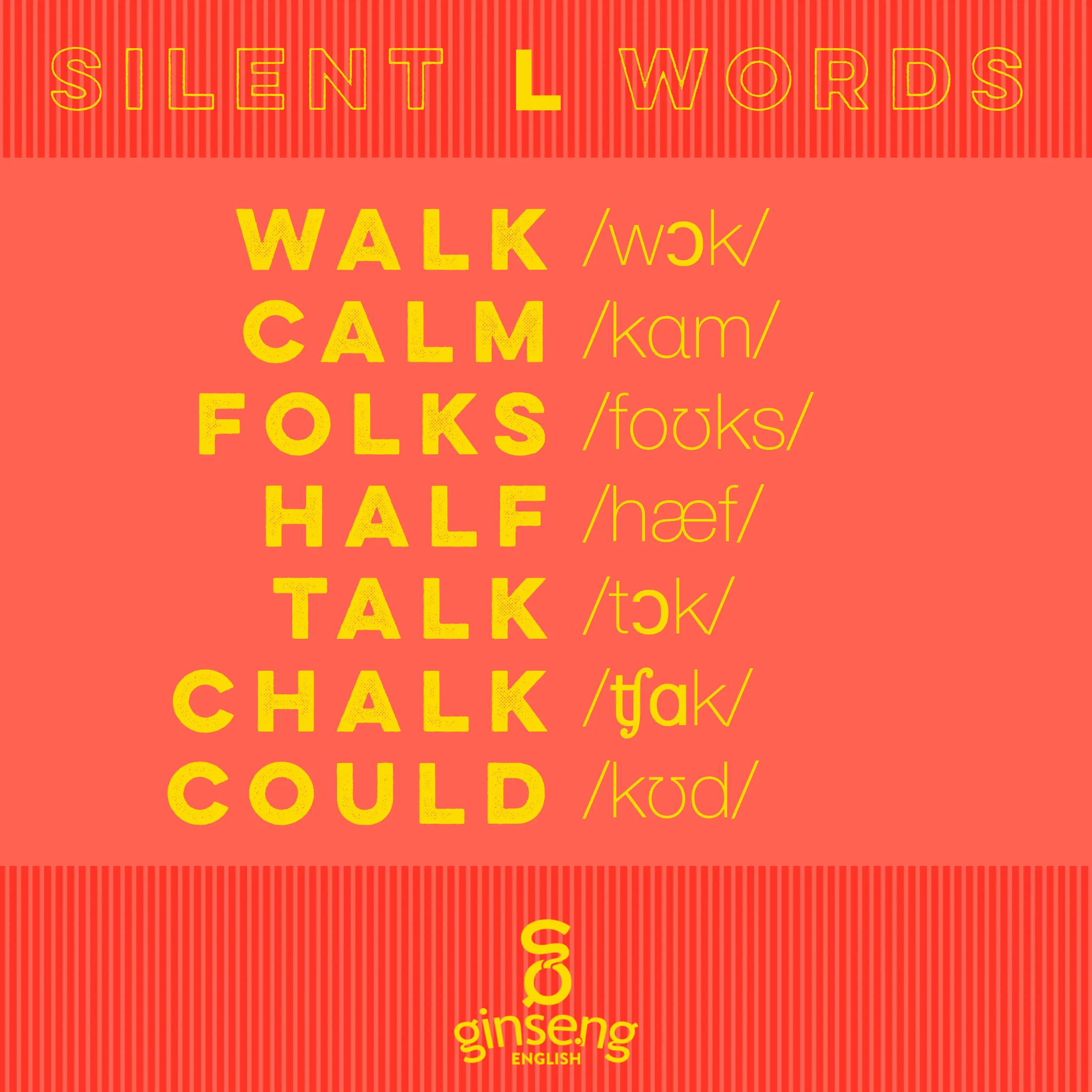
A lot of the silent letter posts we've shared have followed simple, repeatable patterns; Silent K always comes before an N, for example. Silent L is a little harder. We find it in lots of different words, and they are generally very common words. Many students try to pronounce these Ls, but in all these words, the L is completely silent.
In walk, chalk, and talk, the L comes after an A, and the vowel is pronounced like a short O. Half and calf have an AL, too, but the vowel is pronounced like the short A in staff. In could, should, and would, the L comes after OU, and the sound is exactly like the OO in good.
| Word | IPA | PoS | Definition |
|---|---|---|---|
| walk | /wɔk/ | v. | to move with the legs |
| calm | /kɑm/ | adj. | not angry, upset, or excited |
| folks | /foʊks/ | n. | people in general |
| half | /hæf/ | n. | one of two equal parts |
| talk | /tɔk/ | v. | to express thoughts in words |
| chalk | /ʧɑk/ | n. | a soft rock used for writing |
| could | /kʊd/ | v. | the past tense of can |
More Free Online English Tips
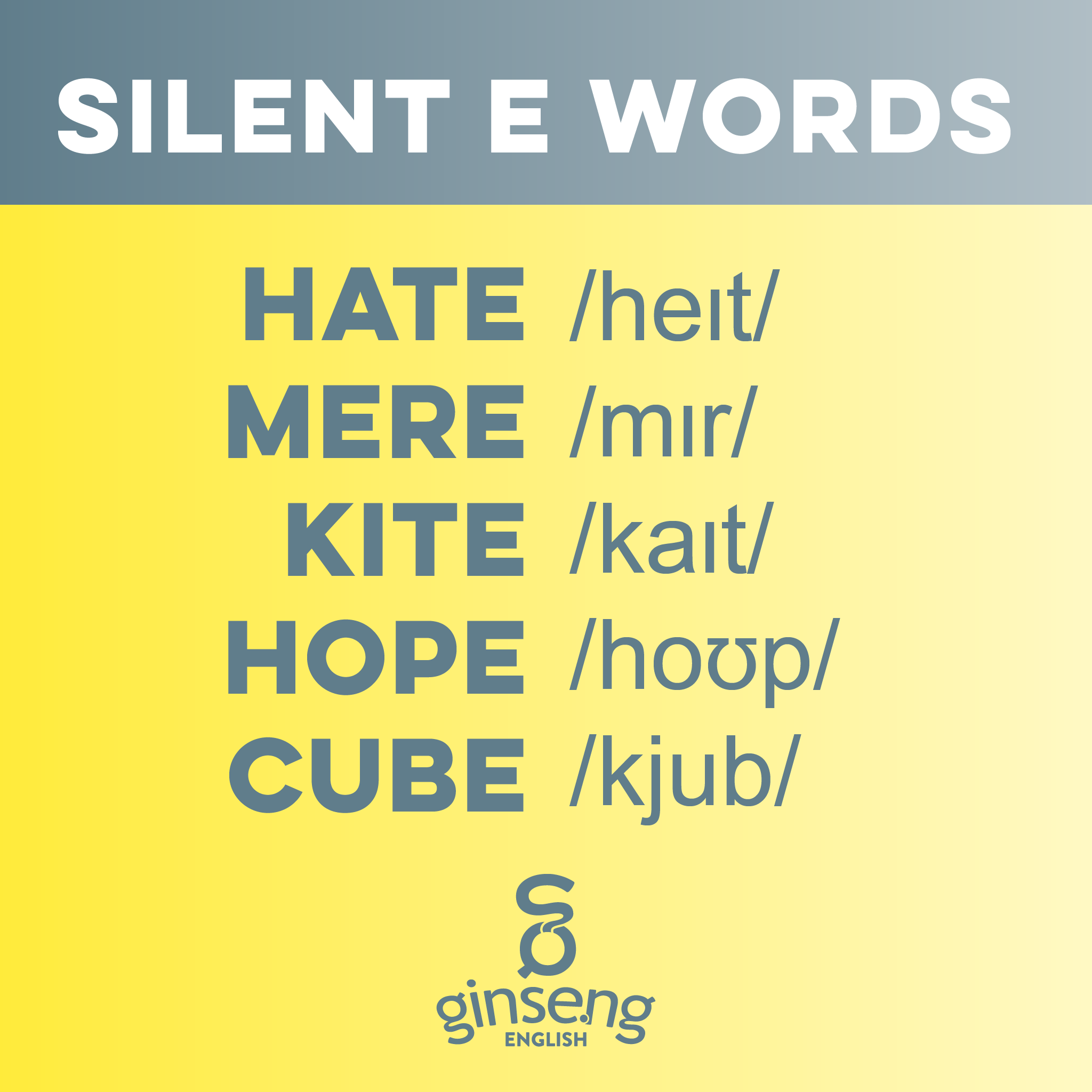
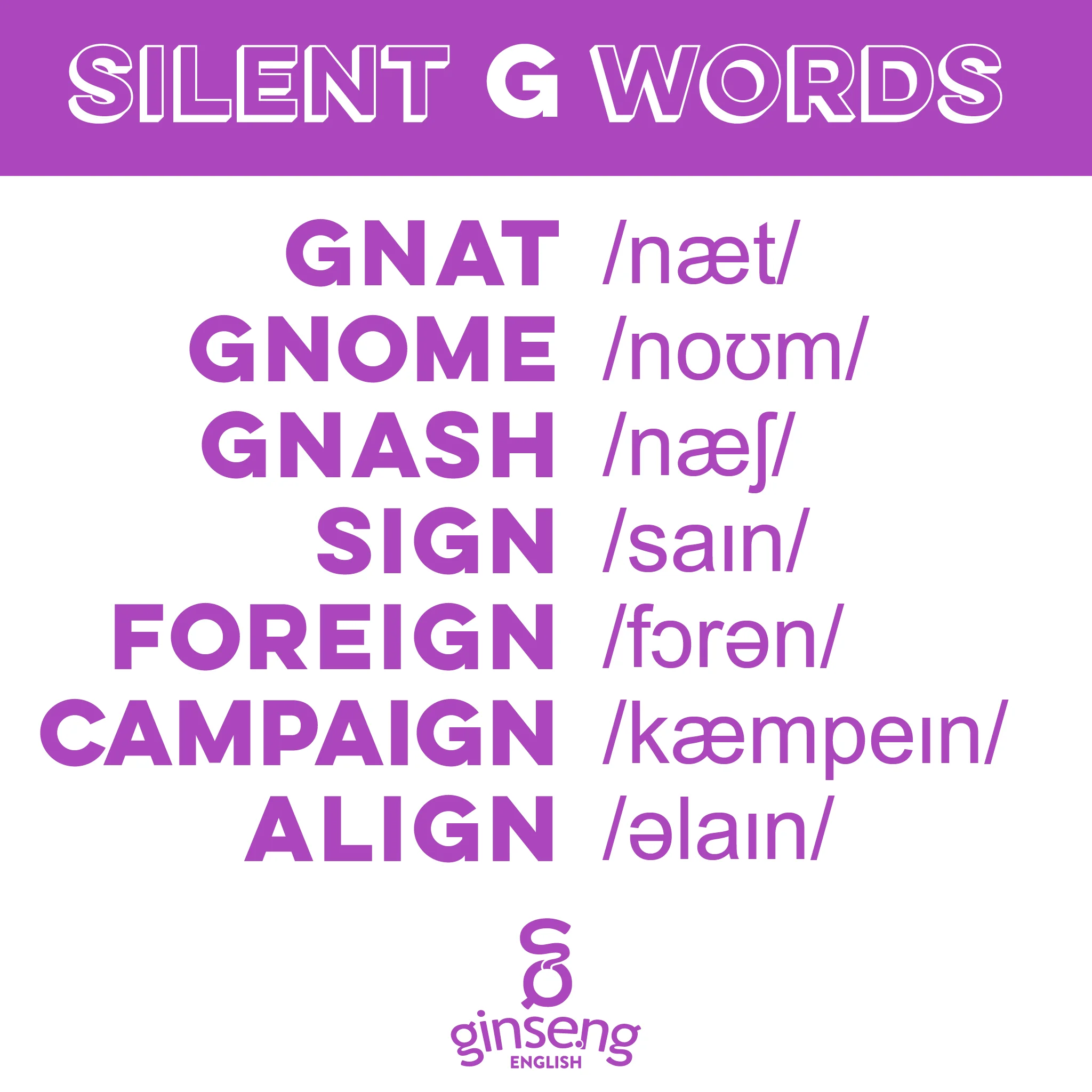
Looking for more info about English pronunciation? Read our other posts about Silent N, Silent K, Silent B, Silent G and Deleted Syllables.

Silent L Words in English
Parts of a House
Across the world, everyone has some kind of home, though they all look very different! This post will describe the parts of a typical American house.
Parts of a House
Let's take a look at some common words to describe parts of a house!
To go into a house, you use the door. Many houses have a front door and a back door. When you want to look outside, you can look out the window. Windows bring in lots of light and make a house brighter. If it's too bright, or if there's a storm, your house might have shutters on each side of the windows. If you shut the shutters, the windows are protected, and it becomes darker inside.
On the top of each house is a roof. The roof keeps you dry if it is raining! The roof is supported by walls.
Some houses have a fireplace inside so that you can have a fire to keep warm. But if you have a fireplace, it is important to have a chimney, too! The chimney takes smoke from the fire outside so your house isn't smoky!
Things In A Living Room
Let’s talk about the things in this living room. But, before we even get to that, you may be wondering, what exactly is a living room? Well, in America, we call the room where the family hangs out and relaxes the living room. The living room is usually on the first floor of the house. 🏡 There are typically comfortable chairs or couches in it, and it is just a nice room to spend time together. 👨👩👧👦
Take a look at the picture, and follow with me as we go left to right identifying things in this living room.
First you will see a floor lamp. A lamp is the machine that makes light, usually with a lightbulb. 💡 This type of lamp is called a floor lamp because it sits on the floor.
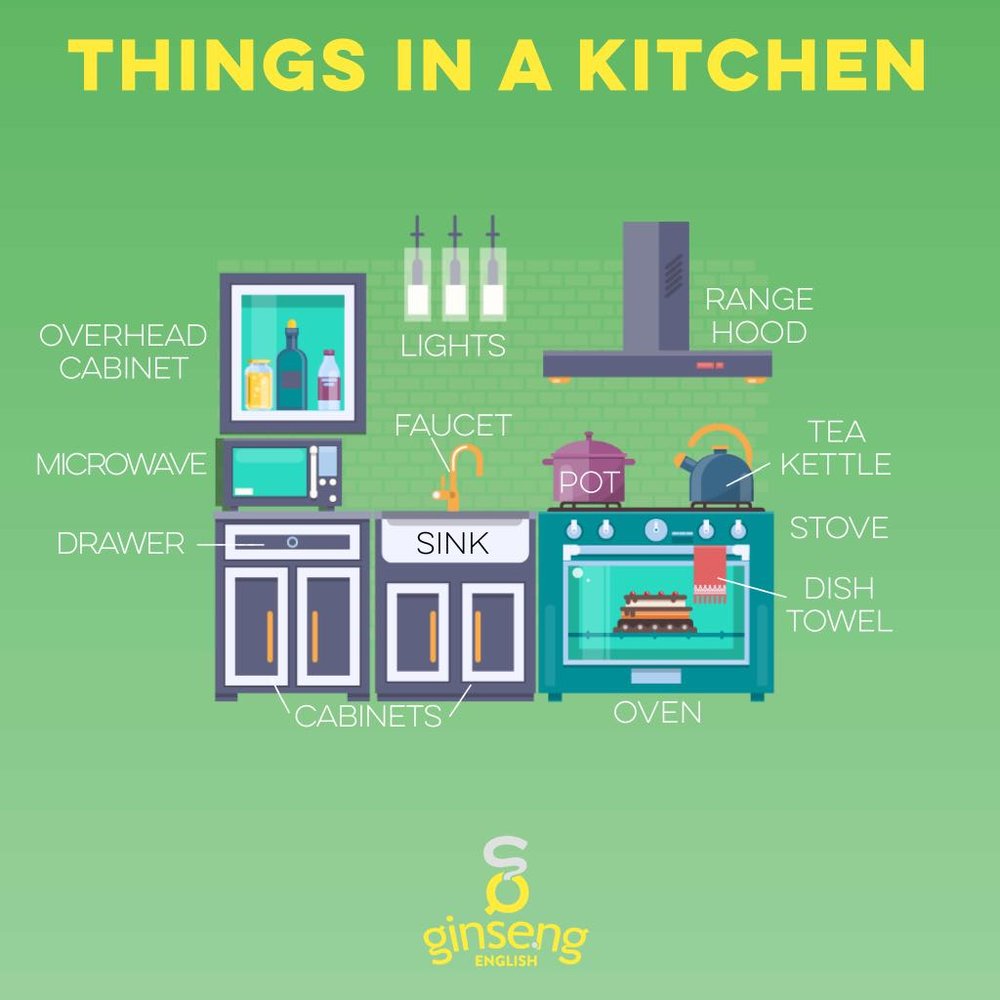
This family really likes a bright room because they have 3 lights in it! Next to the pole lamp is the overheard light. Overhead means over your head! 👆🏼 You may remember this from the Ginseng Blog post “Things in the Kitchen.” This overhead light is hanging above the couch.
Next to the overheard light is a nice piece of art or artwork. 🖼 You can also call this a painting. 🎨
To the right of the artwork is the bookcase. A bookcase is a piece of furniture that is usually tall and made out of wood, and we put books on, or other things that we want to display or organize.
This bookcase has a small pink lamp on top of it. Next to the lamp is a house plant. 🌿 A house plant is just what it sounds like, a plant that lives in your house! This room actually has a couple of house plants.
On the second shelf from the top there two vases. 🏺🏺 Vases are containers for plants or flowers. But some are just decorative, meaning they don’t actually hold flowers. They just look pretty!
Under the vases and books are two more house plants, including a cactus.🌵 A cactus is that plant that grows in the desert and has sharp spikes on it.
In the middle of the room is the big soft piece of furniture that we all love to sit on. In America we call this either a sofa or couch. 🛋 A couch can usually fit two or three people on it. On the couch you will find throw pillows which are usually just decorative! Under the throw pillows are the cushions which are the big soft pillows that are a part of the couch.
Things In A Living Room 2
Here is a different living room, with some new English vocabulary for you. Let’s start in the center of this picture and work our way around it. In the center, you will see a piece of art with trees on it. 🖼🌳 You can also call this a painting.
To the right, we have a bookshelf. In the picture above, we talked about a bookcase. A bookcase is a piece of furniture that has many bookshelves in it. But you can also just have a bookshelf on your wall, like we see here! On this bookshelf, you will find a blue vase and are a couple of books ⚱️📚.
On the floor, under the artwork is a lounge chair. A lounge chair is different from a couch because it usually fits only one person. Lounge means to to sit back and relax, which is exactly what you’re supposed to do in a living room! On the lounge chair there are two throw pillows.
Next to the lounge chair is a footrest. A footrest is a small piece of furniture next to a chair that you can rest (or relax) your feet on. On top of the foot rest is a cushion.
To the left of the lounge chair is a side table. We call it a side table because it is a small table that we keep on the side of a couch or chair. On top of the side table is another vase with some flowers. 💐Next to the flowers is an old radio, which plays music or the news. 📻
Things In An office
Now you will learn all about the things in a typical American office! An office centers around the desk, which is the big piece of furniture in the middle of this picture that everything sits on.
On the top of this picture you’ll see an overhead light hanging from the ceiling. It is casting a pleasant glow of light over the desk. Good lighting is very important in an office!
Right under the light is a wall clock. We call this a wall clock because it is hung on the wall. Instead of the usual numbers on this clock, there are Roman numerals. This clock is showing that it is almost 11:20. We could also say that it is twenty past eleven, or almost half past eleven.
To the right and left of the clock are shelves.
On the right shelf there are books stacked on top of each other, and also leaning against one another. To the right of the books is an organizer. We can’t see what’s inside of it, but my guess is that there are office suppliesinside. Common office supplies are rubber bands, which are those stretchy rubber strings that hold things together, paper clips, which are wire devices used to hold sheets of paper together, and maybe some stamps for mailing letters.
Note that office supplies are different than office equipment. Office supplies, as mentioned above, will be used up and need to be replaced or replenished. It is usually someones job as office manager to re-order the office supplies. Office equipment, such as the lamps, desks, chairs, and computers, are things that will (hopefully!) last much longer and only need to be replaced every five or so years.
On the left shelf there are decorations or artwork.
Underneath the right shelf is a small plant, or to be more specific, a cactus. Everyone needs to stay caffeinated while working, so of course, there is a a mug of coffee (or tea!) on the desk next to the plant!
To the left of the coffee cup is the desktop computer. We call it a desktop because it sits on top of the desk! This is different than a laptop, which is portable, and can sit in your lap.
Hanging on the desktop is a pair of headphones to listen to music. There is also a mouse, sitting next to the computer. If you notice, neither of these have wires or cords coming out of them, which means that they are wireless and connect to the computer using bluetooth.
Stuck on the computer is a Post-it ® note. We use these, or sticky notes, to write ourselves reminders of tasks or information that we don’t want to forget! Another important office item to help us stay organized is a calendar. A calendar keeps track of the date so that we can make sure to meet our deadlines.
To the left of the calendar you will see a pencil holder or jar which holds more office supplies: a pair of scissors, a ruler, pens, and pencils.
Underneath the desk there is desk chair which is hopefully comfortable! You'll also see a trash can, or garbage can to put unwanted things in to be thrown out.
Lastly there are electric outlets underneath the desk which are used to plug the cords or wires into the wall. On this electric outlet there is a power strip, something that is used to turn one outlet into many so that you can plug multiple devices into the wall.
The style in this office is modern and minimal, which means it is very simple with clean lines and muted colors. You'd probably see furniture exactly like this at Ikea!
Things In A Bedroom
This has been a super long post and you’re probably ready for a nap now! Let’s wrap up this post by talking about the bedroom.
The most important thing in a bedroom is the bed, so let's start there!
In the center of the room you can see the bed. For your reference, when talking about a bed, we typically call the top of the bed where your head goes the head of the bed and the bottom of the bed where your feet go is known as the foot of the bed.
A bed has different parts. There is the bed frame, which sits on the floor and holds the mattress, the soft thing that we sleep on! Bed frames can be made out of wood or metal. At the head of the bed, there is a piece of furniture called the headboard. According to Wikipedia, bed frames "historically, served to isolate sleepers from drafts and cold in less insulated buildings, and thus were made of wood." Nowadays, we hope that your room is warm enough that the headboard is just decorative!
The bed has two blue pillows on it at the head of the bed. On top of the bed there is a nice warm bedspread, or blanket. We can also call this a comforter, or a duvet cover.
At the foot of the bed, on the floor, you will see a box with a cushion on top. This box can open up and be used to hold things. We might call this box either a an ottoman or a hope chest.
You might notice that both the bed and the stool have legs which are the little pieces of wood that hold the furniture off the ground.
Things in a Kitchen
More free English Vocabulary Resources



Silent K Words
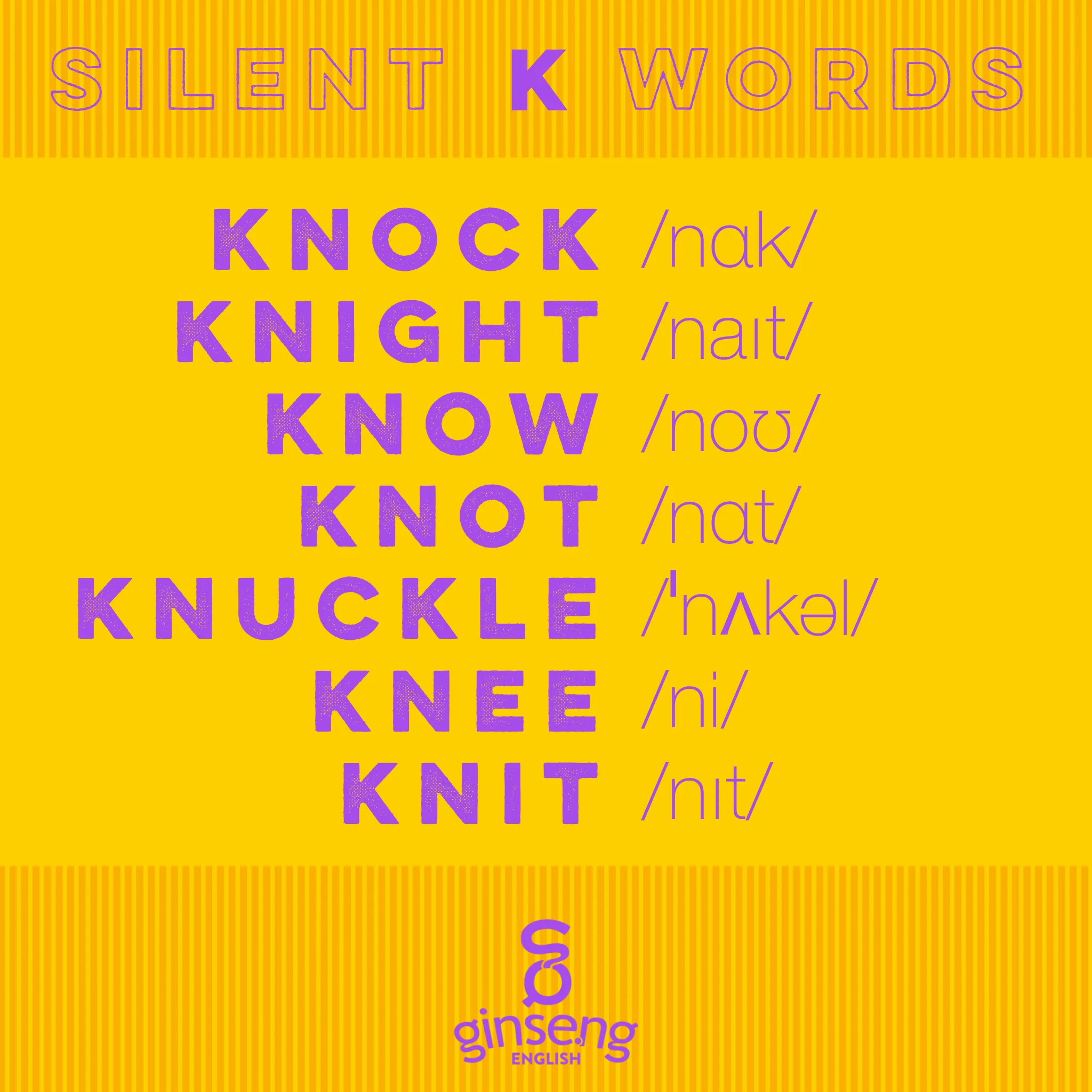
If you’re looking for explanations and examples of words with silent K, you’ve come to the right place. Charts, definitions, word lists, and the history of how silent K became silent.
Silent K Words
There are many letters that we see and write but do not pronounce. These silent letters are a challenge. But there are many patterns we can learn to make reading and pronunciation easier. Silent K is a common pattern.
If you see a word that starts with KN-, you only pronounce the N. So knight sounds exactly the same as night and knot is pronounced exactly the same as not. Notice that this is very similar to the pattern for silent G words.
Like many silent letters, the K was not always silent. In Old English, the word knight was once cniht and knot was once cnotta, and the K sound at the beginning used to be pronounced, up until about the 17th century. But because the K-N combination is difficult to pronounce, over hundreds of years we elided it until it disappeared completely. In many other Germanic languages, the K is still pronounced in related words.
Examples
Here's a word list with 15 examples of silent K words.
| Word | IPA | PoS | Definition |
|---|---|---|---|
| knock | /nɑk/ | v. | to hit sth with the knuckles |
| knight | /naɪt/ | n. | a soldier who wore armor |
| know | /noʊ/ | v. | to have in your mind |
| knot | /nɑt/ | n. | the part where rope is tied |
| knuckle | /ˈnʌkəl/ | n. | a joint in the fingers |
| knee | /ni/ | n. | the large joint in the leg |
| knit | /nɪt/ | v. | to make something from yarn |
| knife | /nʌɪf/ | n. | a tool with a blade for cutting |
| knob | /nɒb/ | n. | a ball-shaped handle |
| knack | /nak/ | n. | a natural skill |
| knickers | /ˈnɪkərz/ | n. | an old word for pants |
| knead | /niːd/ | v. | fold dough by hand |
| knapsack | /ˈnapsak/ | n. | a backpack |
| knickknack | /ˈnɪknak/ | v. | a small decorative object |
More free resources on silent letters
Dying to learn more English pronunciation? Take a look at our other blog posts about Silent N, Silent L, Silent B, Silent G and Deleted Syllables.

5 Myths About Learning English

Learning English is tough. And it's even tougher because there's lots of bad information about what makes good education. Today, let's look at five myths—things that many people believe, but that are not true—about learning English.
1. We learn vocabulary and grammar in the order that we study.

Many students assume that there is a logical order to the English grammar items and vocabulary words that you should try to study. They think that if we arrange things from "simple" to "complex" and study them in that order, we will learn them in that order. Most English textbooks are designed around this idea, but that simply isn't how it works.
Research shows that, yes, there are some basic patterns. But many factors, such as your first language, can really change the order that you learn grammar or vocabulary. This does not necessarily mean that we should not study grammar or vocabulary directly, but most experts now say that the curriculum should be based around something other than grammar topics.
“Some studies suggest that second language learners acquire a second language in different orders depending on their native language.”

2. Native speakers are better teachers

There are English schools around the world that advertise, "English Lessons with Native English Teachers!" These are especially common online (see below). And many English learners seem to share the idea that native speakers are the best teachers. But why?

An ad emphasizing "native speakers."
35 #Languages. Flexible Schedules. Engaging, Native-Speaking Teachers. The Best Location in #LA. Next term Oct 30th! https://t.co/TlriJjFIMS pic.twitter.com/3kXqc2Tiq3
— BH Lingual Institute (@BevHillsLingual) September 20, 2017
A native speaker of English did not have to study and learn the language as an adult. They haven't necessarily experienced all the same challenges and struggles as someone who learned the language at a later age. Native speakers can often follow English grammar patterns without knowing what that grammar pattern is, so they can do it but they cannot teach it.
“‘All sorts of people are fluent, but only a tiny proportion of them are sufficiently aware of the structure of the language that they know how to teach it.’ ”
They can probably pronounce TH, but they might not be able to tell you how to pronounce TH. In other words, a native speaker might have the ability to speak English very well, but they often don't have the skills needed to teach English well. As linguist David Crystal puts it, "All sorts of people are fluent, but only a tiny proportion of them are sufficiently aware of the structure of the language that they know how to teach it." In many ways, a non-native English speaking teacher can be more helpful than a native speaker! Of course, there are very good native and non-native teachers, but skill and qualification as a teacher is much more important than your first language.
Check out this article at TEFL Equity Advocates to learn more about how we select the best teachers at Ginseng.
3. Accuracy is the most important thing

So many of my students tell me that they want me to correct them every time they make a mistake in their speaking or writing. My response is, "No, no you don't want that." When students ask this, they assume that English is all about accuracy, and that improving your English means eliminating errors from your English.
But English is about a lot more than accuracy. In fact, focusing too much on accuracy can really limit your fluency, your ability to speak rapidly and naturally, and fluency is an important part of language learning. If you are too worried about making mistakes, you might also avoid more challenging, complex structures, and complexity is another important part of language learning. As your understanding of the language develops, you need to try more complex sentences and structures, and you will make mistakes as you experiment. Those mistakes are important, and if you have someone correcting you every time you make a mistake, you won't experiment as much!
Accuracy is important but it's not everything! We need to balance accuracy, fluency, and complexity as we learn English.
4. Learning English should be a constant challenge

Learning a language can be a challenge, but that doesn't mean that everything you do in English class should be as difficult and challenging as possible. Generally, you just want small challenges: new language that is just a little above your current level. This is called comprehensible input. Comprehensible means you can understand it. Input is language that you take in.
But there is also a lot of important language acquisition that happens when you are doing things in English that are not challenging at all! Extensive reading, or easy pleasure reading, is very important to developing your English. So is casual conversation, which can really develop fluency!
Make sure that you spend some time challenging yourself with English that is just above your level, and some time using the English that you already know. Again, it's all about balancing those two!
5. Progress in English is linear

This can be really frustrating, but learning English is not a straight line from no English to fluent English. Some parts of the language you will learn quickly. Others will take years. Generally we learn a lot in the first year or two that we study, and our learning slows down after that. Sometimes it will even seem like your English is getting worse! Don't worry. All of this is common and part of the process.
How Men And Women Talk About Love
How Men and women talk about love
Today Ginseng English is going to talk about a really interesting new interactive article up at the New York Times (NYT). The NYT has a section called "Modern Love," and it is written by their readers. People write essays, send them to the NYT, and some of them are published each week.
For this newest article, they did some research using all the essays that people have sent in for the past 4 years. They looked at the most common words, and then they mapped them based on gender. They found some very interesting patterns. Men and women tend to use different words to talk about love.
Take a look at some of the results in this chart and in the original article!

Common words men and women used to talk about love.
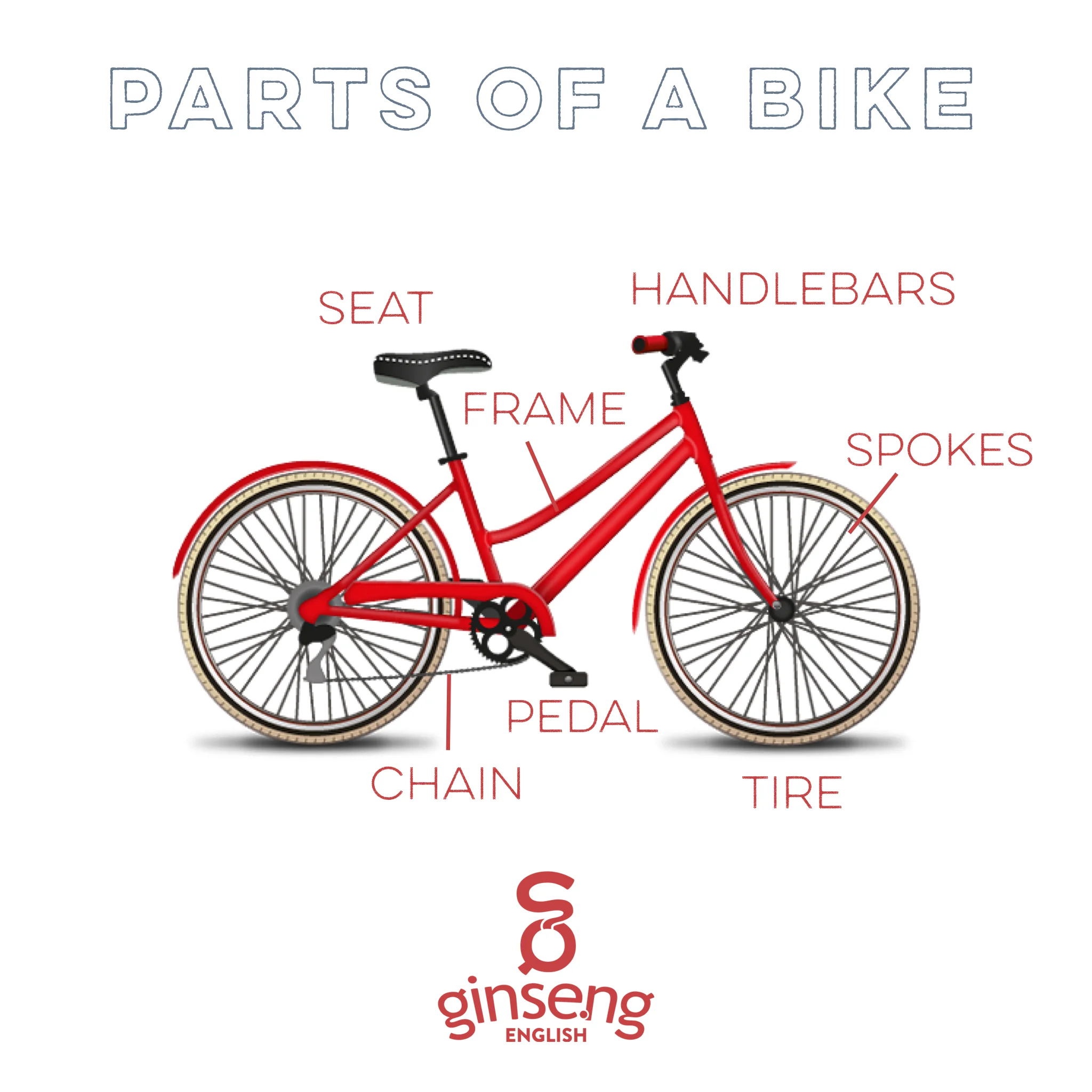
Parts of a Car
Basic English Vocabulary - Parts of a Car
Welcome to the first post in a new series on basic vocabulary from the Ginseng English Blog: Parts of a... Today, let's look at some useful vocabulary for the outside of a car!
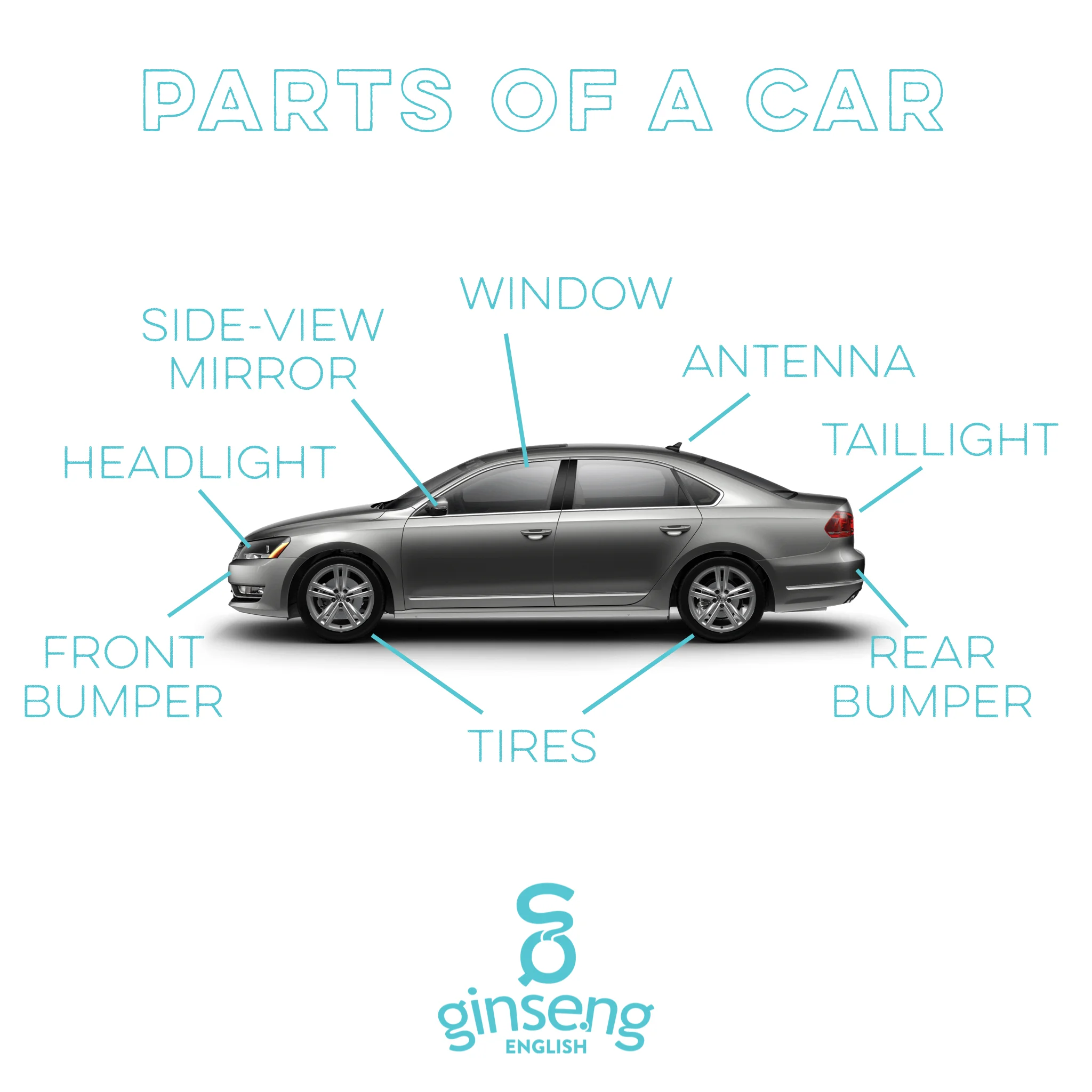
On a car there are four tires, two front tires and two rear tires. Front and rear are useful words when we talk about cars. A car has two bumpers to protect you in an accident: a front bumper and a rear bumper. Above the bumpers are lights. There are headlights at the front of the car, and taillights at the rear of the car. On each side of the car is a side-view mirror, to help you see behind you. Inside the car is a rear-view mirror, too.
What other car vocabulary do you know? What do you want to know? Comment below!
More free online English posts
English for Halloween Costumes
Halloween Costume Trends
I recently came across this great infographic over at the W5 blog, called Spooktacular Halloween Costumes (notice that spooktacular is just a fun portmanteau of spooky and spectacular—more on portmanteaus in this blog post).
This seems like a great opportunity to talk about how we talk about costumes in English, which can be a little tricky. If you're talking to an American friend about an upcoming Halloween party, she might ask you:
What are you going as?
What am I going as? Going as?
It may sound like a strange question, but your friend is asking you what your costume will be, or what you will be pretending to be for halloween. Another way to say this is:
What are you dressing up as?
You could answer with:
- I'm going as a ghost.
- I'm going as a dog.
- I'm going as Wonder Woman.
- I'm going as Jon Snow from Game of Thrones.
Notice that if you are going as something generic (not a single, specific character), we use an indefinite article—a ghost, a cat, an elephant—but for specific characters, we don't need an article.
One more thing: if you're a character from a movie or TV show, it's common to add from [the movie]:
- I'm going as Jon Snow from Game of Thrones.
- She's going as the Mad Hatter from Alice in Wonderland.
- He went as Wolverine from X-Men.
So, what are YOU going as for Halloween!?

Nonexistent Words
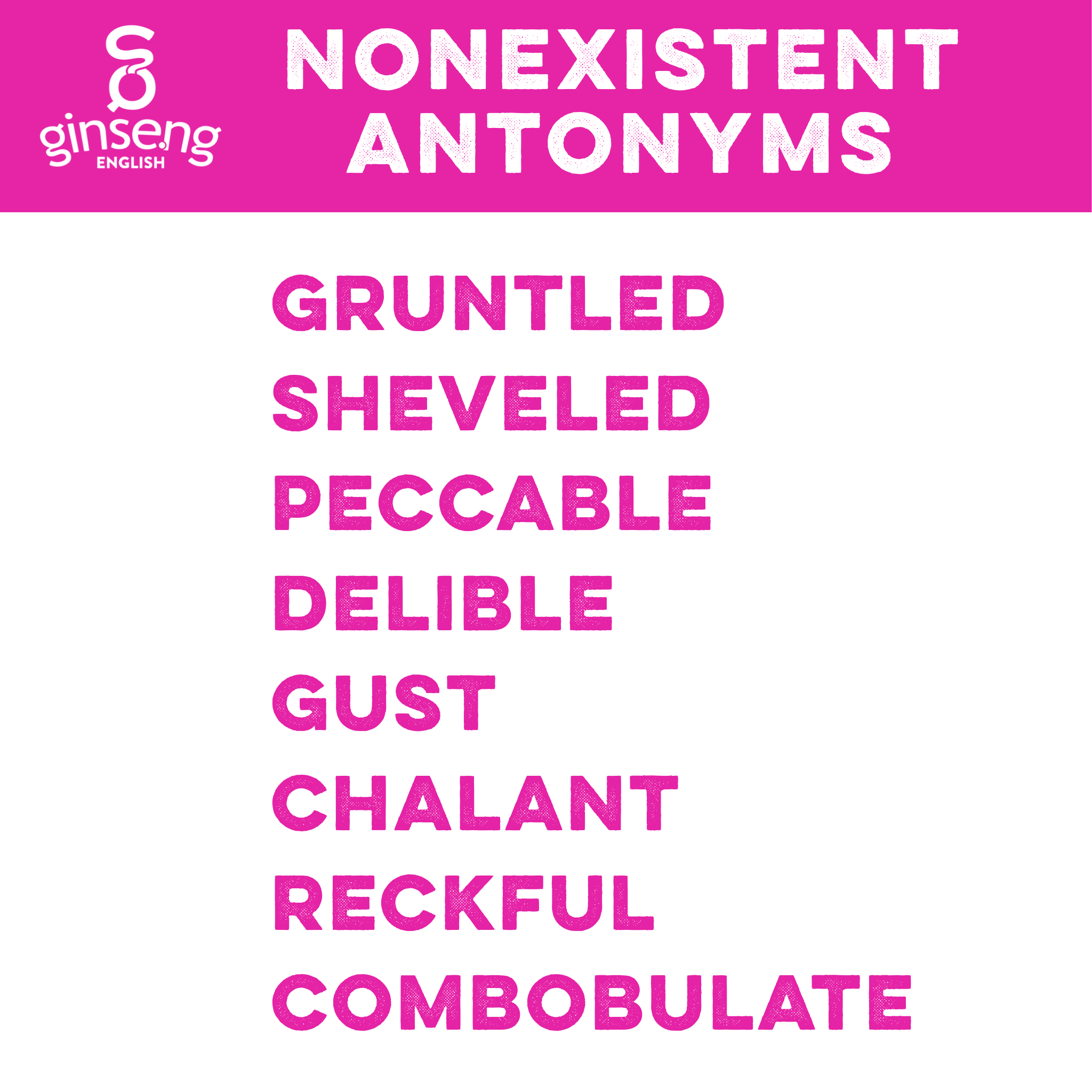
Last week, Dictionary.com published a fun list of words that don't exist. What does that mean? Well, they're not just random letters, they are words that you might expect to exist because of other words that look like their opposites. Confused? Here's an example.
Combobulated
Discombobulated is a real word in English. Usually when we add the prefix dis-, we are creating the opposite of another word. For example, we can take agree, add dis-, and we get the opposite: disagree. Right? This works for lots of words: appear/disappear, approve/disapprove, believe/disbelieve, connect/disconnect. But discombobulate is funny, because combobulate is not a word. It doesn't exist.
Reckful
Here's another one. We can add the suffixes -less and -ful to many nouns to turn them into adjectives. A person with no hope is hopeless. A person with lots of hope is hopeful. Something that causes no pain is painless, and something that causes a lot of pain is painful. Other examples are fear/fearless/fearful, care/careless/careful, color/colorless/colorful, use/useless/useful.
But we have another word in English: reckless. Reckless is similar in meaning to careless. Based on the pattern we looked at, you might think that reck is a noun and reckful is the opposite of reckless. But, as always, learning English is crazy, and reckful and reck do not exist in English.
A few more:
Disheveled is an adjective meaning not neat. But sheveled does not exist.
Nonchalant means cool, relaxed, and calm. But chalant does not exist.
Disgust is a strong feeling of unpleasantness or sickness. But gust does not exist.
Check the original post at Dictionary.com for more! Can you add any in the comments?
More Free Online English Vocabulary Tips
Online English Classes

Why Are Online English Classes in Groups Better?
why are online english classes in groups better?
Many online English schools out there are advertising one-on-one lessons with native speakers via Skype. Ginseng doesn’t do this. Want to know why? Read on!
When you go to an English school, they don’t just sit you in a small room with one teacher, right? Why is that? Well, because we don’t learn English quickly and easily by talking to just one person. Language is social.
In good English classes, you will be placed in a class full of other students who are at the same level as you. The best English teachers may teach some grammar or vocabulary to the whole class, but then she will put you in situations where you have to use that language with your classmates. You will have practice conversation in English with the whole class, with small groups of 3-4 students, or in pairs. A good teacher will give you problems to solve together, projects to complete in English. THIS is the most important part of your language learning! It’s not just listening to the teacher talk about grammar.
Similarly, having a group of other students around you is very important for your motivation. If you just meet with one teacher hour after hour, week after week, both the teacher and the student struggle to maintain the conversation and the interest. If you are surrounded by many different people with many different opinions and experiences, you will stay more engaged and motivated!
This is why we focus on group English classes at Ginseng! Join one today!

Basic Geometry Vocabulary
Basic geometry vocabulary
Rob from Ginseng English recently took a trip to Shanghai and recorded a lesson on geograph—err, geometry vocabulary. Take a moment and have a look!
Geometry Vocabulary List
Vertical (adj.) - positioned up and down rather than from side to side; going straight up
Horizontal (adj.) - positioned from side to side rather than up and down; parallel to the ground
Diagonal (adj.) - not going straight across or up and down
Beam (n.) - a long and heavy piece of wood or metal that is used as a support in a building
Post (n.) - a piece of wood or metal that is set in a vertical position, especially as a support or marker
Narrow (adj.) - long and not wide
Wide (adj.) - extending a great distance from one side to the other; not narrow
Free Vocabulary Resources
If you're trying to improve your English vocabulary online, check out these other free vocabulary resources from the Ginseng English Blog:



Ginseng Named to Top 50 ESL Blogs
Top 50 Blogs
We are so pleased to share that the Ginseng English Blog was selected by Feedspot to be featured among their Top 50 English Language Blogs. There are some other fantastic blogs on there, and we're so proud to be in their company! Thanks, Feedspot!

Take a look at where else we've been featured!


British Bad Words
One of the most interesting and difficult things about learning a new language is learning which words are bad, and how bad they are. If you learn English, for example, we have the words crap and shit. Both have the same meaning, but shit is a much stronger word. Your mom might tell you not to say shit, but most people don't mind crap.
A recent article at British newspaper The Indepedent describes a survey that was done by the British government's Ofcom (of + com = office of communications). This office decides what language is okay to say on TV. In the UK some language and content is acceptable after 9:00, when most kids are not watching, but not okay before that.
In the survey, they asked 200 people to rank bad words. Different rankings were mild (not bad, okay for kids), medium (maybe okay on TV before 9:00pm), strong (mostly okay on TV after 9:00pm), strongest (never okay before 9:00, generally okay after).
Here's the full list (sorry Mom! 🙊)
If you like this, check out these other great English posts!

Most Common English Verbs
30 Most Common English Verbs
Many students ask which words they should learn first. On strategy is to focus on the most commonly used words. Check out this list of the 30 most common verbs in the English language! The verbs are listed in their base form, present tense, past tense, and perfect forms.
Words that are more common will generally be more useful, so it's a good idea to learn more common verbs first! Get to know these verbs first to make the most of your new vocabulary as you learn English.
What patterns do you notice in the list of verbs?
There is a general rule in languages (sometimes called Zipf’s Law or The Principle of Least Effort) that predicts that more commonly used words will tend to be shorter. And, as you might expect from that, the first 20 most common verbs are all only one syllable.
You may also notice that 19 of the verbs on the list are irregular verbs.
Note that verbs that work only as auxiliaries and modals (such as can and will) have been removed from this list. Verbs that act as both auxiliaries and main verbs have been left in. Data for this table came from the Corpus of Contemporary American English (COCA).