

5 Myths About Learning English

Learning English is tough. And it's even tougher because there's lots of bad information about what makes good education. Today, let's look at five myths—things that many people believe, but that are not true—about learning English.
1. We learn vocabulary and grammar in the order that we study.

Many students assume that there is a logical order to the English grammar items and vocabulary words that you should try to study. They think that if we arrange things from "simple" to "complex" and study them in that order, we will learn them in that order. Most English textbooks are designed around this idea, but that simply isn't how it works.
Research shows that, yes, there are some basic patterns. But many factors, such as your first language, can really change the order that you learn grammar or vocabulary. This does not necessarily mean that we should not study grammar or vocabulary directly, but most experts now say that the curriculum should be based around something other than grammar topics.
“Some studies suggest that second language learners acquire a second language in different orders depending on their native language.”

2. Native speakers are better teachers

There are English schools around the world that advertise, "English Lessons with Native English Teachers!" These are especially common online (see below). And many English learners seem to share the idea that native speakers are the best teachers. But why?

An ad emphasizing "native speakers."
35 #Languages. Flexible Schedules. Engaging, Native-Speaking Teachers. The Best Location in #LA. Next term Oct 30th! https://t.co/TlriJjFIMS pic.twitter.com/3kXqc2Tiq3
— BH Lingual Institute (@BevHillsLingual) September 20, 2017
A native speaker of English did not have to study and learn the language as an adult. They haven't necessarily experienced all the same challenges and struggles as someone who learned the language at a later age. Native speakers can often follow English grammar patterns without knowing what that grammar pattern is, so they can do it but they cannot teach it.
“‘All sorts of people are fluent, but only a tiny proportion of them are sufficiently aware of the structure of the language that they know how to teach it.’ ”
They can probably pronounce TH, but they might not be able to tell you how to pronounce TH. In other words, a native speaker might have the ability to speak English very well, but they often don't have the skills needed to teach English well. As linguist David Crystal puts it, "All sorts of people are fluent, but only a tiny proportion of them are sufficiently aware of the structure of the language that they know how to teach it." In many ways, a non-native English speaking teacher can be more helpful than a native speaker! Of course, there are very good native and non-native teachers, but skill and qualification as a teacher is much more important than your first language.
Check out this article at TEFL Equity Advocates to learn more about how we select the best teachers at Ginseng.
3. Accuracy is the most important thing

So many of my students tell me that they want me to correct them every time they make a mistake in their speaking or writing. My response is, "No, no you don't want that." When students ask this, they assume that English is all about accuracy, and that improving your English means eliminating errors from your English.
But English is about a lot more than accuracy. In fact, focusing too much on accuracy can really limit your fluency, your ability to speak rapidly and naturally, and fluency is an important part of language learning. If you are too worried about making mistakes, you might also avoid more challenging, complex structures, and complexity is another important part of language learning. As your understanding of the language develops, you need to try more complex sentences and structures, and you will make mistakes as you experiment. Those mistakes are important, and if you have someone correcting you every time you make a mistake, you won't experiment as much!
Accuracy is important but it's not everything! We need to balance accuracy, fluency, and complexity as we learn English.
4. Learning English should be a constant challenge

Learning a language can be a challenge, but that doesn't mean that everything you do in English class should be as difficult and challenging as possible. Generally, you just want small challenges: new language that is just a little above your current level. This is called comprehensible input. Comprehensible means you can understand it. Input is language that you take in.
But there is also a lot of important language acquisition that happens when you are doing things in English that are not challenging at all! Extensive reading, or easy pleasure reading, is very important to developing your English. So is casual conversation, which can really develop fluency!
Make sure that you spend some time challenging yourself with English that is just above your level, and some time using the English that you already know. Again, it's all about balancing those two!
5. Progress in English is linear

This can be really frustrating, but learning English is not a straight line from no English to fluent English. Some parts of the language you will learn quickly. Others will take years. Generally we learn a lot in the first year or two that we study, and our learning slows down after that. Sometimes it will even seem like your English is getting worse! Don't worry. All of this is common and part of the process.
How Men And Women Talk About Love
How Men and women talk about love
Today Ginseng English is going to talk about a really interesting new interactive article up at the New York Times (NYT). The NYT has a section called "Modern Love," and it is written by their readers. People write essays, send them to the NYT, and some of them are published each week.
For this newest article, they did some research using all the essays that people have sent in for the past 4 years. They looked at the most common words, and then they mapped them based on gender. They found some very interesting patterns. Men and women tend to use different words to talk about love.
Take a look at some of the results in this chart and in the original article!

Common words men and women used to talk about love.
Parts of a Car
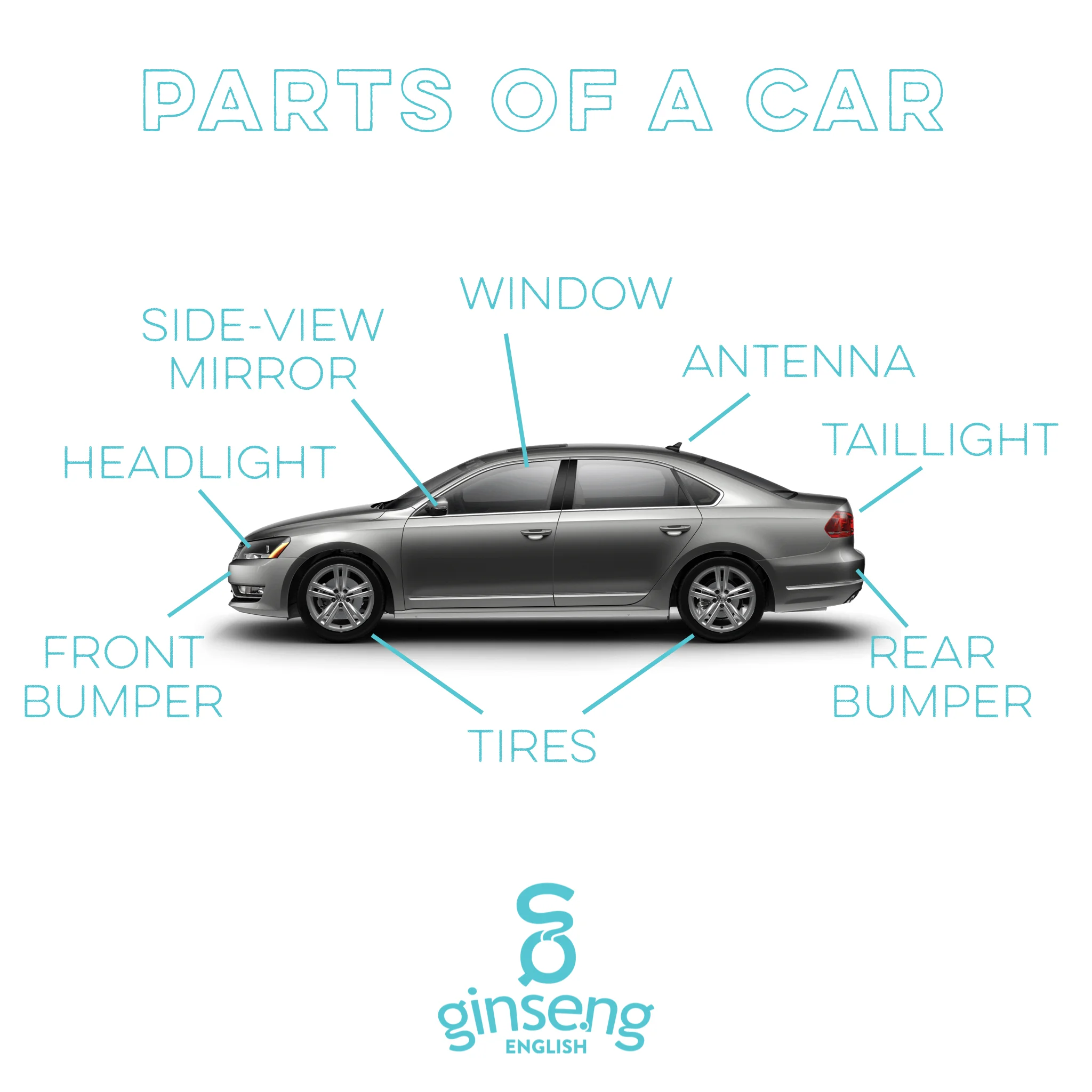
Basic English Vocabulary - Parts of a Car
Welcome to the first post in a new series on basic vocabulary from the Ginseng English Blog: Parts of a... Today, let's look at some useful vocabulary for the outside of a car!
On a car there are four tires, two front tires and two rear tires. Front and rear are useful words when we talk about cars. A car has two bumpers to protect you in an accident: a front bumper and a rear bumper. Above the bumpers are lights. There are headlights at the front of the car, and taillights at the rear of the car. On each side of the car is a side-view mirror, to help you see behind you. Inside the car is a rear-view mirror, too.
What other car vocabulary do you know? What do you want to know? Comment below!
More free online English posts




English for Halloween Costumes
Halloween Costume Trends
I recently came across this great infographic over at the W5 blog, called Spooktacular Halloween Costumes (notice that spooktacular is just a fun portmanteau of spooky and spectacular—more on portmanteaus in this blog post).
This seems like a great opportunity to talk about how we talk about costumes in English, which can be a little tricky. If you're talking to an American friend about an upcoming Halloween party, she might ask you:
What are you going as?
What am I going as? Going as?
It may sound like a strange question, but your friend is asking you what your costume will be, or what you will be pretending to be for halloween. Another way to say this is:
What are you dressing up as?
You could answer with:
- I'm going as a ghost.
- I'm going as a dog.
- I'm going as Wonder Woman.
- I'm going as Jon Snow from Game of Thrones.
Notice that if you are going as something generic (not a single, specific character), we use an indefinite article—a ghost, a cat, an elephant—but for specific characters, we don't need an article.
One more thing: if you're a character from a movie or TV show, it's common to add from [the movie]:
- I'm going as Jon Snow from Game of Thrones.
- She's going as the Mad Hatter from Alice in Wonderland.
- He went as Wolverine from X-Men.
So, what are YOU going as for Halloween!?

Nonexistent Words
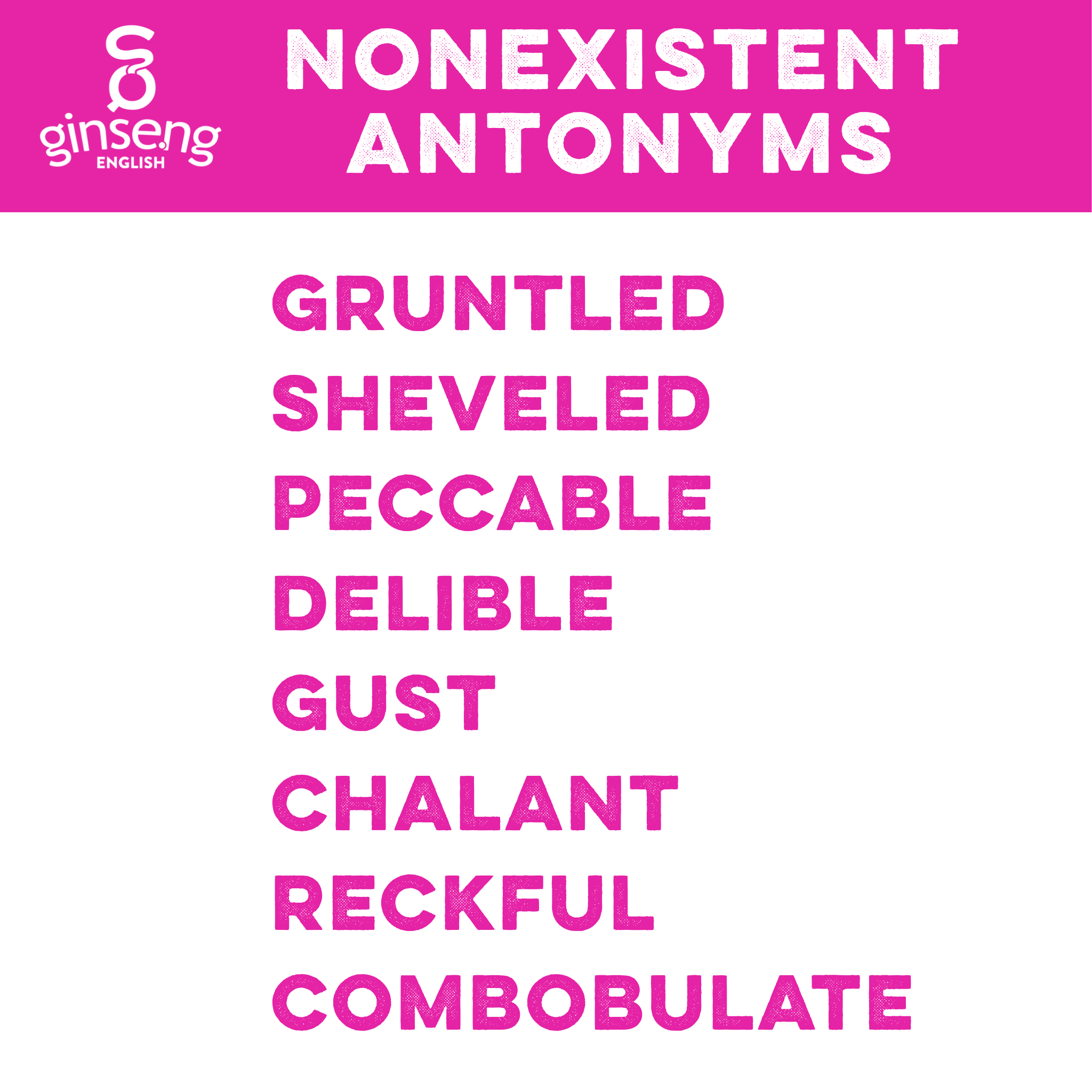
Last week, Dictionary.com published a fun list of words that don't exist. What does that mean? Well, they're not just random letters, they are words that you might expect to exist because of other words that look like their opposites. Confused? Here's an example.
Combobulated
Discombobulated is a real word in English. Usually when we add the prefix dis-, we are creating the opposite of another word. For example, we can take agree, add dis-, and we get the opposite: disagree. Right? This works for lots of words: appear/disappear, approve/disapprove, believe/disbelieve, connect/disconnect. But discombobulate is funny, because combobulate is not a word. It doesn't exist.
Reckful
Here's another one. We can add the suffixes -less and -ful to many nouns to turn them into adjectives. A person with no hope is hopeless. A person with lots of hope is hopeful. Something that causes no pain is painless, and something that causes a lot of pain is painful. Other examples are fear/fearless/fearful, care/careless/careful, color/colorless/colorful, use/useless/useful.
But we have another word in English: reckless. Reckless is similar in meaning to careless. Based on the pattern we looked at, you might think that reck is a noun and reckful is the opposite of reckless. But, as always, learning English is crazy, and reckful and reck do not exist in English.
A few more:
Disheveled is an adjective meaning not neat. But sheveled does not exist.
Nonchalant means cool, relaxed, and calm. But chalant does not exist.
Disgust is a strong feeling of unpleasantness or sickness. But gust does not exist.
Check the original post at Dictionary.com for more! Can you add any in the comments?
More Free Online English Vocabulary Tips
Online English Classes

Why Are Online English Classes in Groups Better?
why are online english classes in groups better?
Many online English schools out there are advertising one-on-one lessons with native speakers via Skype. Ginseng doesn’t do this. Want to know why? Read on!
When you go to an English school, they don’t just sit you in a small room with one teacher, right? Why is that? Well, because we don’t learn English quickly and easily by talking to just one person. Language is social.
In good English classes, you will be placed in a class full of other students who are at the same level as you. The best English teachers may teach some grammar or vocabulary to the whole class, but then she will put you in situations where you have to use that language with your classmates. You will have practice conversation in English with the whole class, with small groups of 3-4 students, or in pairs. A good teacher will give you problems to solve together, projects to complete in English. THIS is the most important part of your language learning! It’s not just listening to the teacher talk about grammar.
Similarly, having a group of other students around you is very important for your motivation. If you just meet with one teacher hour after hour, week after week, both the teacher and the student struggle to maintain the conversation and the interest. If you are surrounded by many different people with many different opinions and experiences, you will stay more engaged and motivated!
This is why we focus on group English classes at Ginseng! Join one today!

Basic Geometry Vocabulary
Basic geometry vocabulary
Rob from Ginseng English recently took a trip to Shanghai and recorded a lesson on geograph—err, geometry vocabulary. Take a moment and have a look!
Geometry Vocabulary List
Vertical (adj.) - positioned up and down rather than from side to side; going straight up
Horizontal (adj.) - positioned from side to side rather than up and down; parallel to the ground
Diagonal (adj.) - not going straight across or up and down
Beam (n.) - a long and heavy piece of wood or metal that is used as a support in a building
Post (n.) - a piece of wood or metal that is set in a vertical position, especially as a support or marker
Narrow (adj.) - long and not wide
Wide (adj.) - extending a great distance from one side to the other; not narrow
Free Vocabulary Resources
If you're trying to improve your English vocabulary online, check out these other free vocabulary resources from the Ginseng English Blog:



Ginseng Named to Top 50 ESL Blogs
Top 50 Blogs
We are so pleased to share that the Ginseng English Blog was selected by Feedspot to be featured among their Top 50 English Language Blogs. There are some other fantastic blogs on there, and we're so proud to be in their company! Thanks, Feedspot!

Take a look at where else we've been featured!


British Bad Words
One of the most interesting and difficult things about learning a new language is learning which words are bad, and how bad they are. If you learn English, for example, we have the words crap and shit. Both have the same meaning, but shit is a much stronger word. Your mom might tell you not to say shit, but most people don't mind crap.
A recent article at British newspaper The Indepedent describes a survey that was done by the British government's Ofcom (of + com = office of communications). This office decides what language is okay to say on TV. In the UK some language and content is acceptable after 9:00, when most kids are not watching, but not okay before that.
In the survey, they asked 200 people to rank bad words. Different rankings were mild (not bad, okay for kids), medium (maybe okay on TV before 9:00pm), strong (mostly okay on TV after 9:00pm), strongest (never okay before 9:00, generally okay after).
Here's the full list (sorry Mom! 🙊)
If you like this, check out these other great English posts!

Most Common English Verbs
30 Most Common English Verbs
Many students ask which words they should learn first. On strategy is to focus on the most commonly used words. Check out this list of the 30 most common verbs in the English language! The verbs are listed in their base form, present tense, past tense, and perfect forms.
Words that are more common will generally be more useful, so it's a good idea to learn more common verbs first! Get to know these verbs first to make the most of your new vocabulary as you learn English.
What patterns do you notice in the list of verbs?
There is a general rule in languages (sometimes called Zipf’s Law or The Principle of Least Effort) that predicts that more commonly used words will tend to be shorter. And, as you might expect from that, the first 20 most common verbs are all only one syllable.
You may also notice that 19 of the verbs on the list are irregular verbs.
Note that verbs that work only as auxiliaries and modals (such as can and will) have been removed from this list. Verbs that act as both auxiliaries and main verbs have been left in. Data for this table came from the Corpus of Contemporary American English (COCA).
List of 30 Most Common English Verbs Conjugated
If you like this, check out these other English grammar posts!




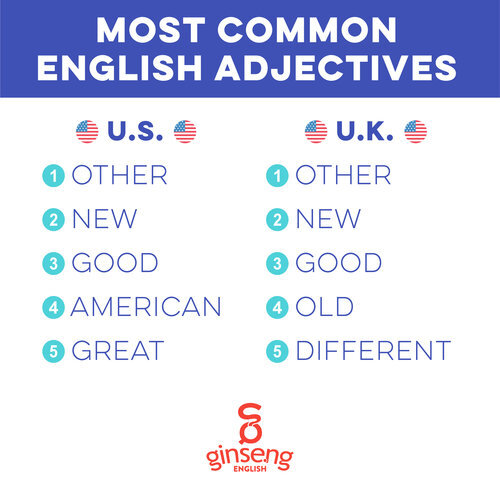
Collocates with Summer
Collocates with summer
It's summer in Boston! ☀️😎🏖
Let's take a look at some of the words that are most common after summer. Remember, a collocate is a word that is often used with another word. Focusing on collocation is a very good way to learn common English phrases and expressions.
Here are some of the most common words after summer that we hope you find useful as you learn English!
If this was helpful, check out these other English collocates!

This, That, These, Those - Demonstratives
What are This, That ,These, and Those?
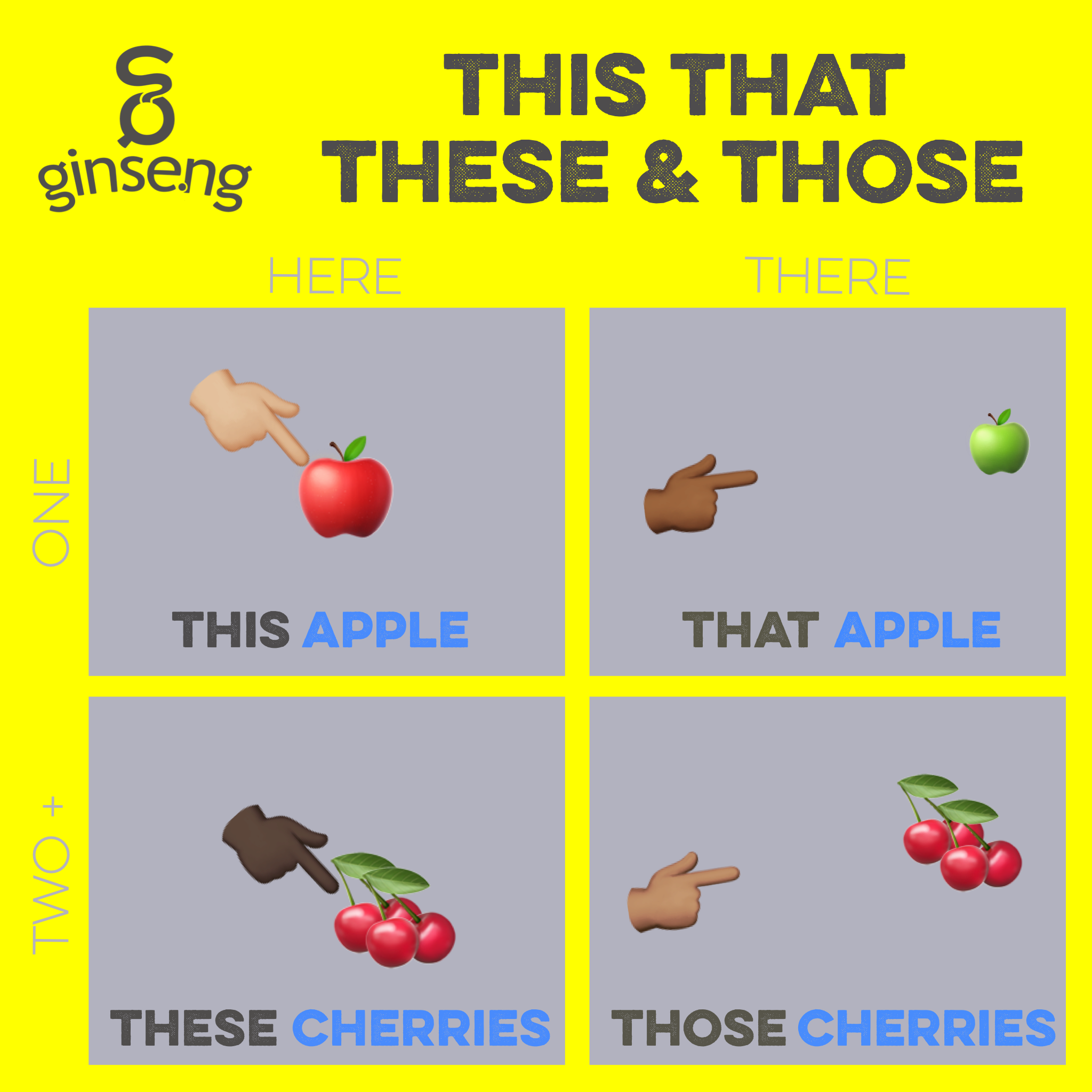
This, that, these, and those are called demonstratives.
Demonstratives are grammar words that we use to show if an object or idea is close to or far from the person speaking. You can say that we use demonstratives to demonstrate where things are and how many there are.
This and that are both singular demonstratives. These and those are both plural.
This hat is Jayne's.
That scarf is Ennio's
These sneakers are Santiago'sThose gloves are Maya's
This and these are used for things that are here, close to the speaker. That and those are used for things that are there, far from the speaker. Close and far here can mean physical distance or psychological distance.
This pen here is Jayne's
These keys I'm holding are Ennio's
That stapler over there is Santiago'sThose books on the table are Maya's
There are two ways that we use the determiners this, that, these, and those. We can use them as pronouns or as determiners.
Demonstrative Determiners
Demonstrative determiners come before a noun, as part of the noun phrase. Because they come before a noun, demonstrative determiners are sometimes inaccurately called demonstrative adjectives.
this fish
that squid
these clams
those crabs
Demonstrative determiners give us information about the quantity and location of nouns. If we say this apple, we know there is one apple, and it's right here. If someone says those apples, it usually means many apples, and they are over there, not close to the speaker.
This and that are both singular, meaning they only talk about one thing. This is for a thing that is close to us, and that is for a thing that is far away. These and those are both plural, used to talk about many things. These is for things that are close to us, and those is for things that are far away.
This, that, these, and those are all demonstratives: they demonstrate where things are and how many there are. In the examples above, they all come before nouns, which makes them determiners. But these same four words can also be used without nouns, acting as pronouns. In that case they are called demonstrative pronouns.
Demonstrative Pronouns
Today, we will take a look at another, similar way to use this, that, these, and those. We can also use these words without a noun after them. For example, we can say, "This is a hammer." Here, this doesn't go before the subject of the sentence; it is the subject of the sentence. It works takes the place a noun and represents the thing, the hammer. Words that stand in place of a noun are called pronouns. So in these sentences, this, that, these, and those are called demonstrative pronouns. See the graphic below for some more examples.
One more time, if they come directly before a noun, this, that, these, and those are called demonstrative determiners. If they replace a noun, acting as a subject or object, they are called demonstrative pronouns.
Notice that the meanings are the same for demonstrative determiners and demonstrative pronouns. This and that are both singular. These and those are both plural. This and these are both for things that are close. That and those are both for things that are over there.
Other free grammar resources
This That These Those - Demonstrative Determiners
Demonstrative determiners are this, that, these, and those. They come before a noun to indicate quantity and location.
What on earth is a demonstrative determiner!? Don't worry, it's not nearly as scary as it sounds, and this Ginseng English post will explain it!! Demonstrative determiners (which are sometimes inaccurately called demonstrative adjectives) are just the words this, that, these , and those.
This and that are both singular, meaning they only talk about one thing. This is for a thing that is close to us, and that is for a thing that is far away. These and those are both plural, used to talk about many things. These is for things that are close to us, and those is for things that are far away.
This, that, these, and those are all demonstratives: they demonstrate where things are and how many there are. In the examples above, they all come before nouns, which makes them determiners. But these same four words can also be used without nouns, acting as pronouns. In that case they are called demonstrative pronouns.
If you like this, share the image below with #ginsenglish!
More Free English Resources

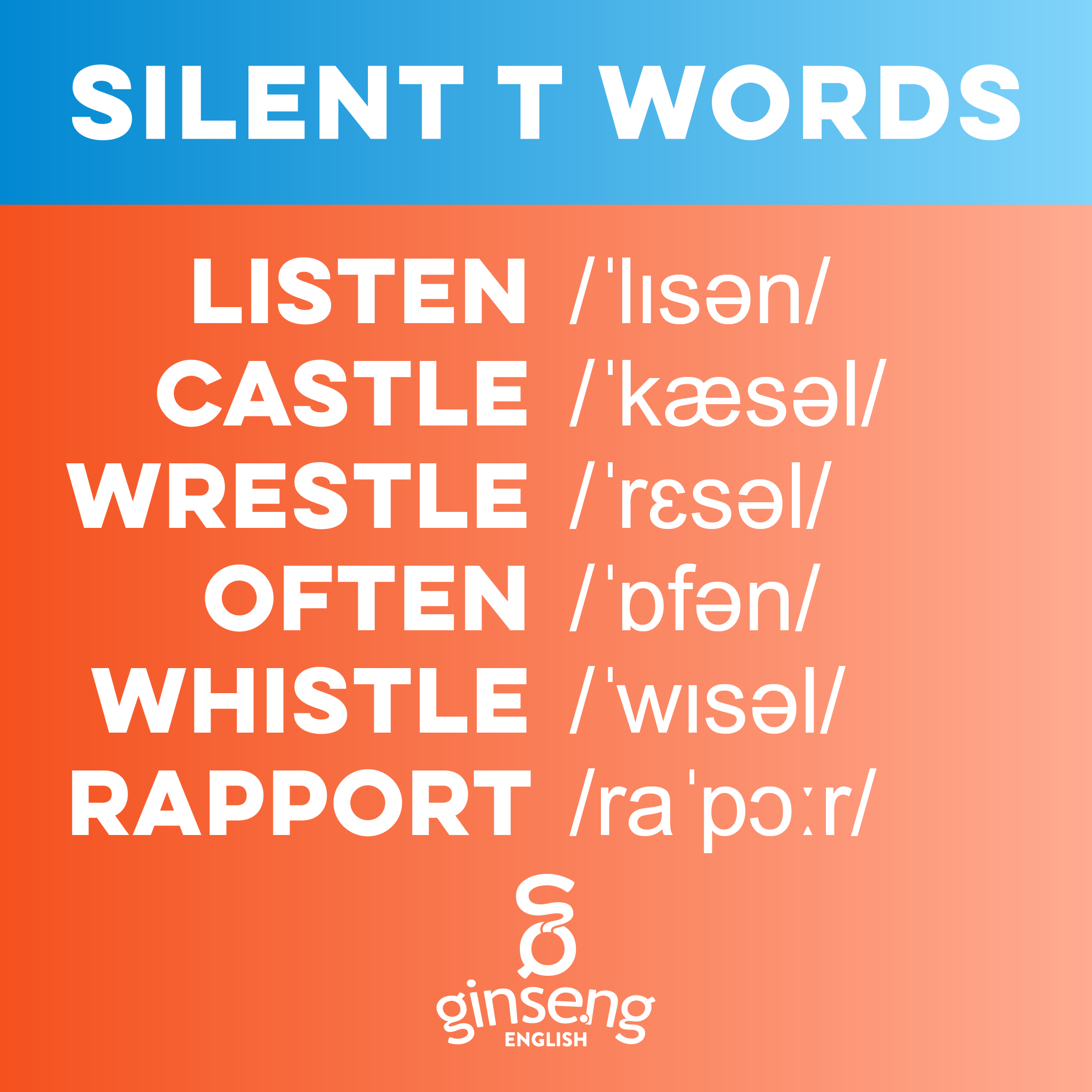
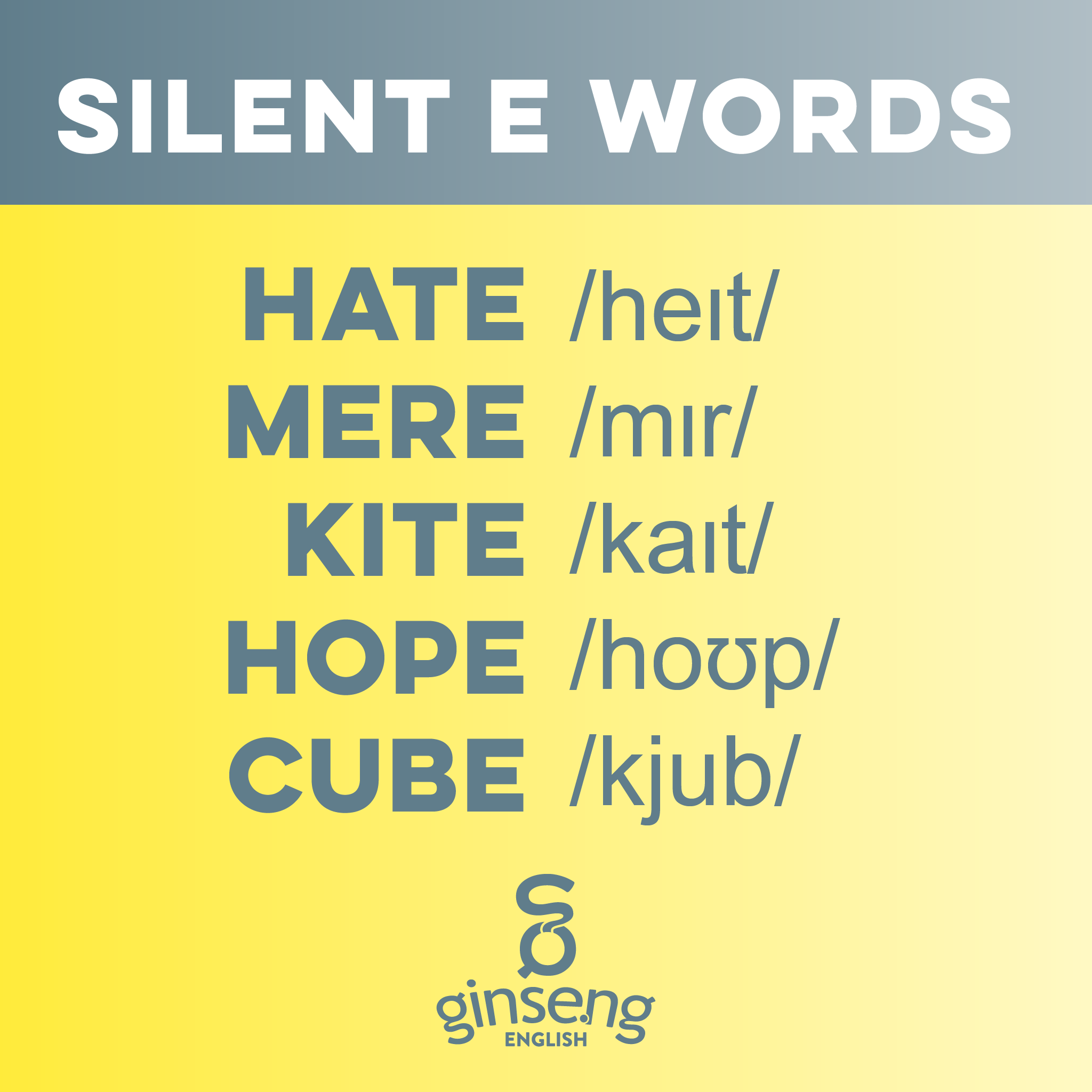
Silent N Words
If you’re looking for explanations and examples of words with silent N, you’ve come to the right place. Charts, definitions, word lists, and the history of how silent N became silent.
A couple of weeks ago, we talked about some words with a silent B at the end. There is a similar pattern that can be tricky for students.
These words end with the letters -MN, but you never pronounce that N. The last sound you hear is the /m/. Let's read a little more about -MN words!
| Word | IPA | PoS | Definition |
|---|---|---|---|
| damn | /dæm/ | v. | to condemn to hell |
| condemn | /kənˈdɛm/ | v. | to judge guilty |
| limn | /lɪm/ | v. | to draw or describe |
| hymn | /hɪm/ | n. | a religious song |
| column | /ˈkɒləm/ | n. | a decorative pillar |
| solemn | /ˈsɒləm/ | adj. | serious or earnest |
| autumn | /ˈɔːtəm/ | n. | the season after summer |
What do you notice about the pattern? Silent N is always at the end of a word. It is also always after the letter M. When you see -MN at the end of a word, you should assume that you only pronounce the MN. There aren't any common words beginning with silent N, unlike G, which can be silent at the beginning or end of a word.
Is -MN always silent?
You will sometimes see -MN- in the middle of words related to these silent N words.
Damnation is the noun form of damn, a hymnal is a book of hymns, and autumnal is the adjective form of autumn. In words like these, where the first letter after MN is a vowel, you usually pronounce the N. In autumnal, hymnal, and damnation, we pronounce the N.
But in some cases, the next sound after the MN is a consonant sound. For example, columns and solemnly. When the next sound after the MN is a consonant sound, we usually do not pronounce the N.
Why is N Silent Sometimes?
As The Independent nicely says it, "Silent Letters are the ghosts of pronunciations past." Older versions of these words had pronounced Ns.
Most of them come to English from Latin. For example autumn comes from the Latin autumnus and column comes from the Latin columna. In these words, the N was pronounced. If you try to say them, you'll see that pronouncing the N in autumnus is pretty easy. If you try to pronounce the N at the end of autumn, it's not so easy. This is because in autumnus, the N is followed by a vowel. It starts a new syllable.
When Latin words changed over a long time into English words, most of them lost their Latin suffixes, -a and -us and -ae and -i. When we dropped those last syllables, the MN became very difficult to pronounce, so we just stopped!
If you enjoyed this, check out some of our other English posts!
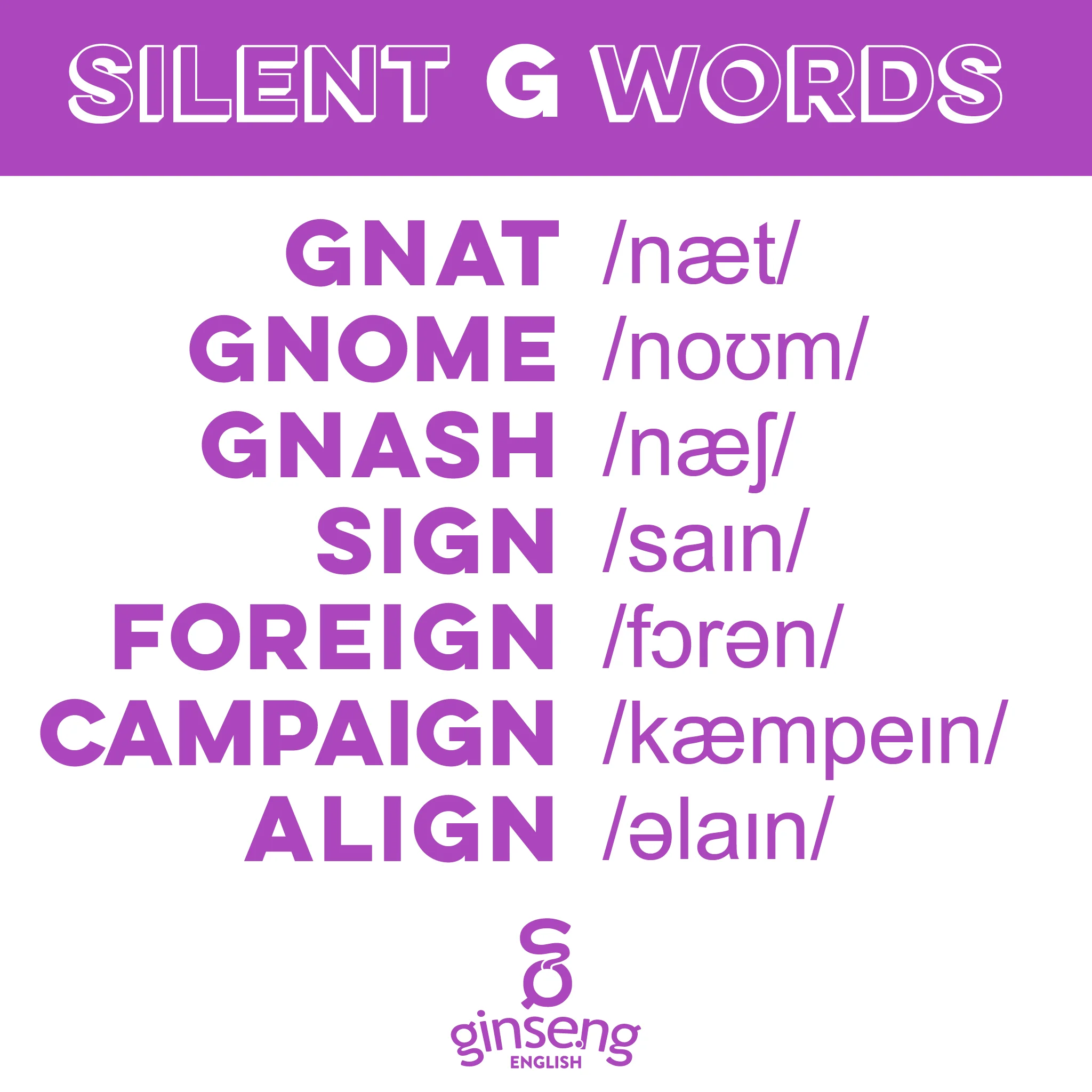
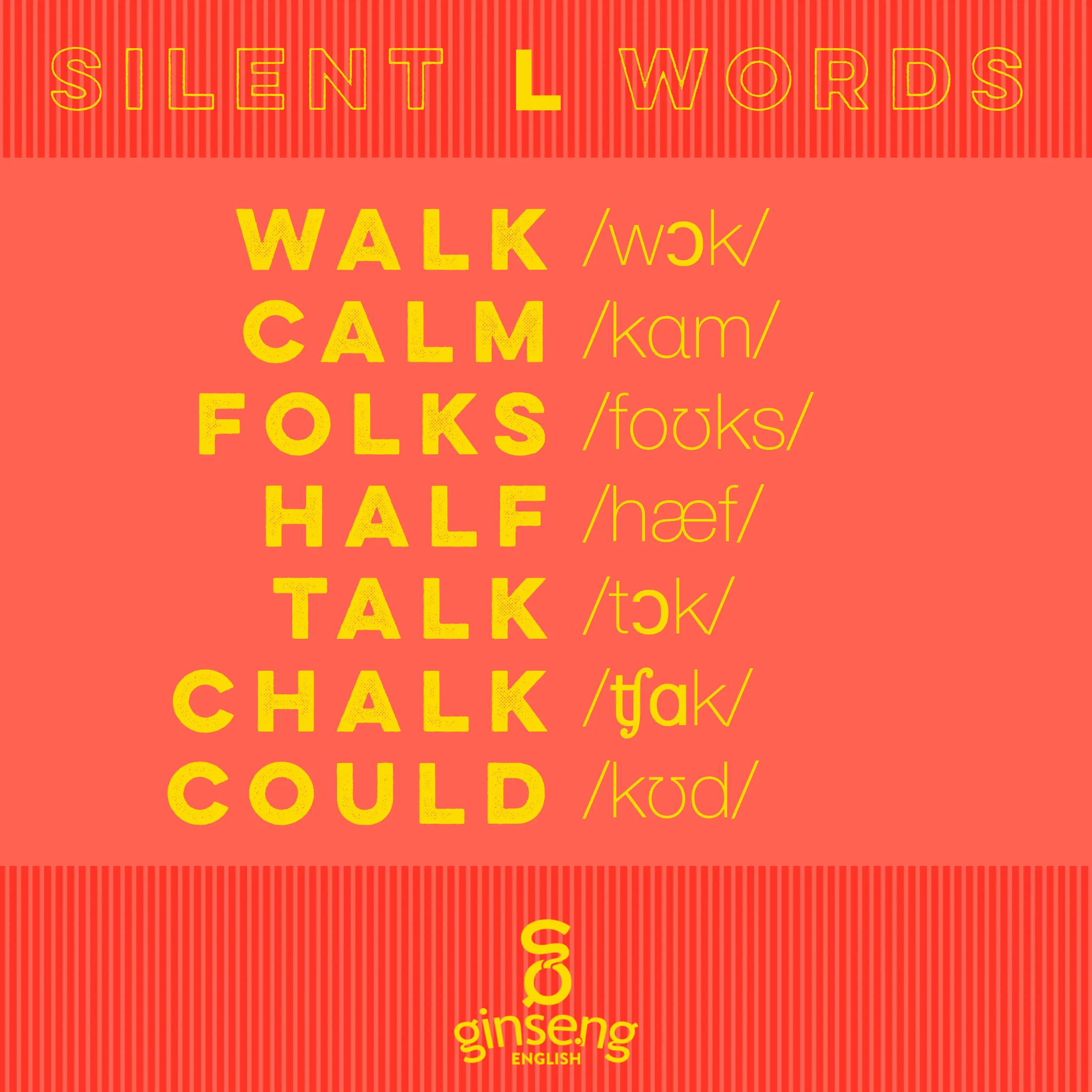
By the way, make sure to check out our other posts on English pronunciation, including Silent K, Silent B, Silent G and Silent L, and Deleted Syllables.

Silent N Words in English
Language Learning Quotes
Learning a new language isn’t always fun and easy. Sometimes, it can be exhausting, frustrating and even infuriating! Here are some inspirational quotes about learning a new language that will hopefully cheer you up and might even remind you of why you’re learning a new language in the first place!
Language Learning Quotes
Learning a new language isn’t always easy. Sometimes, it can be exhausting, frustrating and even infuriating! Here are some inspirational quotations about learning a new language that will hopefully cheer you up and might even remind you of why you’re learning a new language in the first place!
Benefits of Language Learning
Just a quick Ginseng English post to share this great quote from an article in Fast Company about three benefits of language learning:
"New languages give you opportunities to shift your perspective on the world."
Do you agree? How has learning English changed your perspective?

WRITE TO EXPRESS, NOT IMPRESS
With the strong emphasis on vocabulary in standardized tests, it is not a surprise that many students thing that good writing is about big words. It isn't. Big words can be nice, when used correctly, but never forget that the primary reason we write is to communicate, to express. Only add the big words if they enhance and clarify your meaning, not to impress people with your big vocabulary while learning English!
IS CODING MORE IMPORTANT THAN ENGLISH?
Apple CEO Tim Cook caused some controversy this week when he said that he believes learning coding is more important for students around the world than learning English. His exact words are below:
“If I were a French student and I were 10 years old, I think it would be more important to learn coding than English. I’m not telling people not to learn English—but this is a language that you can [use to] express yourself to 7 billion people in the world. I think coding should be required in every public school in the world.”
There were different responses to Cook's words. Some people agreed, and some think he is wrong. Fortune said, "Acquiring coding skills makes financial sense," because coding can help you get many high-paying jobs. But, as Quartz points out, "it’s very difficult to become a good or even decent programmer without working knowledge of English."
What do you think? Is coding the language of the future, or will English remain important?
The Most Important Profession
Ridley Scott—the film director most well known for Blade Runner—just made a powerful statement about teaching at the The British Academy Film Awards after being awarded a BAFTA fellowship.
Scott says, "It's extraordinary what an enthusiastic teacher can do, drawing the student out, igniting independence, and encouraging a design of your own future, rather than waiting for something to happen. Teaching is the most important of all professions. Sort that out and social problems will get sorted out."
We couldn't agree more (but maybe we're biased!). What do you think?
THE QUIRKS AND BENEFITS OF RAISING BILINGUAL CHILDREN
In an article from The Economist, Lane Green discusses the strategies, challenges, and rewards that he and his Danish-speaking wife observe while raising their two children in a bilingual home. His son makes some cute errors, applying the grammar of Danish to English vocabulary, resulting in phrases like "Come heredown."
This interaction between two languages is called language transfer and many English learners do the same. Spanish and Portuguese speakers will often say to their teacher, "I have a doubt," when the more natural English phrase would be "I have a question." Chinese speakers will often use back as a verb, as they can in Chinese, creating sentences like "I back my home."
In the Economist article, Green mentions misguided teachers and doctors who warn parents to only speak the majority language with their children. This is based on the false idea that bilingualism can somehow harm children. The fact that children are learning two vocabularies simultaneously means that they might make errors (like "heredown") that their monolingual peers do not. But this is a temporary delay.
The research in fact supports the Greens' intuition, that bilingualism has many cognitive benefits. These include "enhanced attention control," “enhanced perceptual attentiveness,” and better spatial reasoning, among many others.
In the second half of the article, Green discusses some fascinating research on the development of bilingual children's minds. Read the whole article at the Economist!
TWAIN ON LETTER WRITING
This Mark Twain quote is one of our favorites as a Ginseng English teacher:
“I didn’t have time to write a short letter, so I wrote a long one instead.”
The phrasing is counterintuitive: we are inclined to think longer equals more time. But that's where the true insight of the quotation lies. Writing is deceptive in its simplicity, and anything but linear. Being concise requires more effort in the form of editing and organizing thoughts than simply pouring your thoughts out onto the page.
This post teaches basic English vocabulary for describing our closest family members. Lots of examples and images!